
LUWEMBA
The Uganda Tourism Board (UTB), in collaboration with the United Nations Development Programme (UNDP), has convened a Tourism MSME Finance Forum aimed at unlocking affordable financing for tourism enterprises and strengthening linkages between the sector and financial institutions.
The engagement, held on Thursday, 17th September at the Four Points by Sheraton Hotel, Kampala, brought together government, development partners, financial institutions, business development organisations and private sector players.
The forum was held under the theme: “Unlocking Finance for Uganda’s Tourism MSMEs: Building Investment-Ready Enterprises Through Partnerships and Innovation.”
It was organised as part of the 15.5 million Euro Sustainable Tourism Value Chain Initiative funded by the European Union and implemented by Enabel, UNESCO, UNCDF and UNDP.
In her welcome remarks, UTB Board Chairperson Pearl Hoareau Kakooza said access to affordable finance remains one of the biggest constraints to the growth and competitiveness of tourism MSMEs, who form 80-90% of the sector.
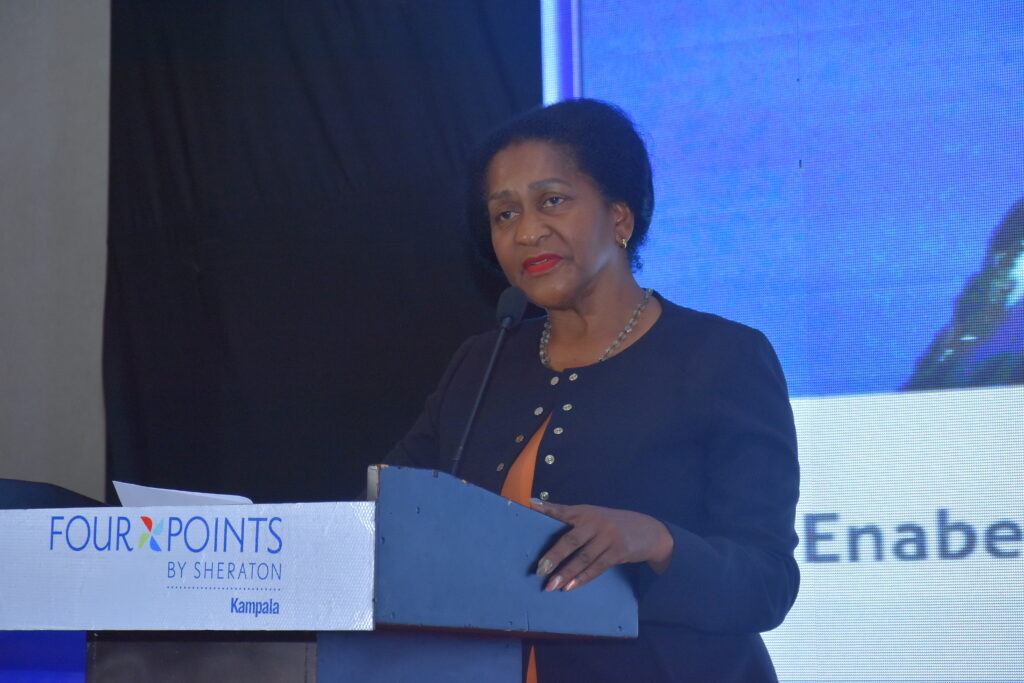
“MSMEs are at the heart of our tourism value chain – from tour operators, hotels, homestays, restaurants, transport providers to cultural enterprises and community-based initiatives,” Kakooza said.
She challenged financial institutions to move beyond collateral-based lending to cash flow-based assessment, noting that tourism enterprises are quoted in dollars but face high interest rates of up to 23% and stringent documentation requirements.
“To the banks present here today, I would like to challenge you to take a leap of faith and decide to finance tourism. This is not a one-size-fits-all industry,” she said, adding that investment is urgently needed in graded accommodation, inclusive transport, and new products like agri-tourism and coffee tourism.
Delivering a message on behalf of UTA President Yogi Biriggwa, Vice President Issa Kato said the financial system remains structured in ways that make it difficult for viable tourism businesses to access capital.
“Many tourism businesses operating in rural and wildlife-adjacent destinations do not possess conventional fixed assets that banks demand. Yet they have viable businesses, vehicles, bookings and contracts,” Kato said.

He cited four key barriers: lack of conventional collateral, seasonal cash flows versus rigid monthly repayments, high cost of capital, and perception of tourism as high-risk post COVID-19.
Kato proposed solutions including cashflow-based lending, recognition of movable and alternative collateral, longer tenures, seasonal repayment schedules, credit guarantees, blended finance and tourism-specific risk assessment models.
EU Ambassador to Uganda Jan Sadek said tourism is not peripheral but a driver of jobs and livelihoods, noting that this year marks 50 years of EU-Uganda partnership.
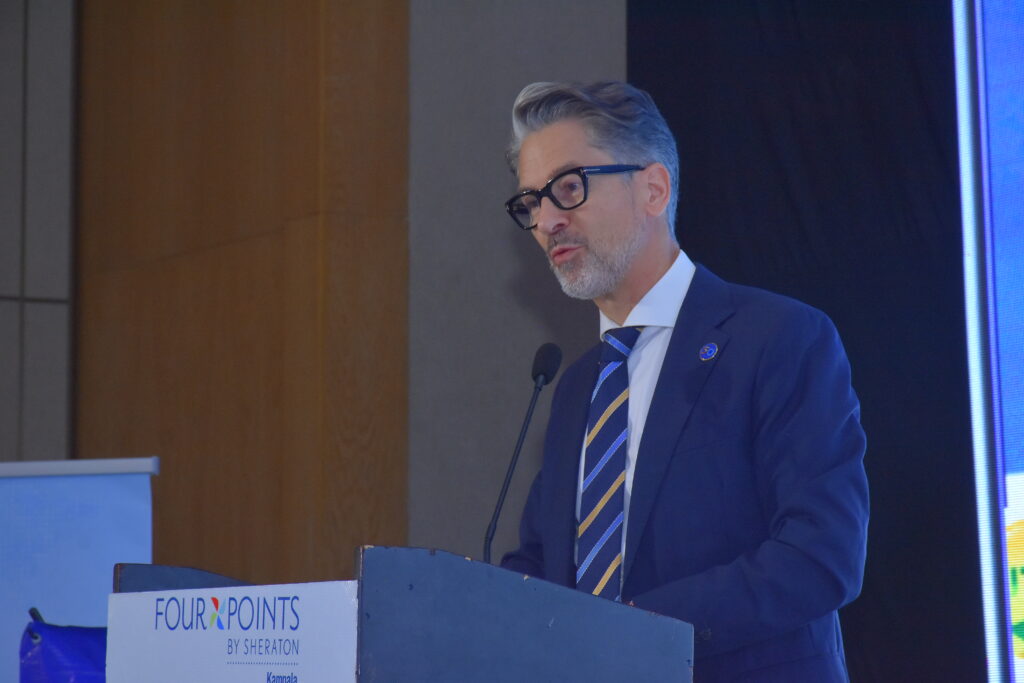
“These businesses need more than visitors. They need access to finance that allows them to invest, improve, innovate and expand,” Sadek said.
He said through the Sustainable Tourism Value Chain Initiative, the EU is supporting development of a financing facility for nature-based tourism MSMEs with a focus on women-led enterprises.
UNDP Resident Representative Nwanneakolam Vwede Obahor said tourism contributed $3.9 billion to Uganda’s economy in 2025, about 6% of GDP and a 14.8% increase from 2019, supporting nearly one million jobs, 53.4% of them held by women.
“80 to 90 per cent of Uganda’s tourism enterprises are MSMEs. You are not at the periphery. You are the core of the tourism industry,” Obahor said.
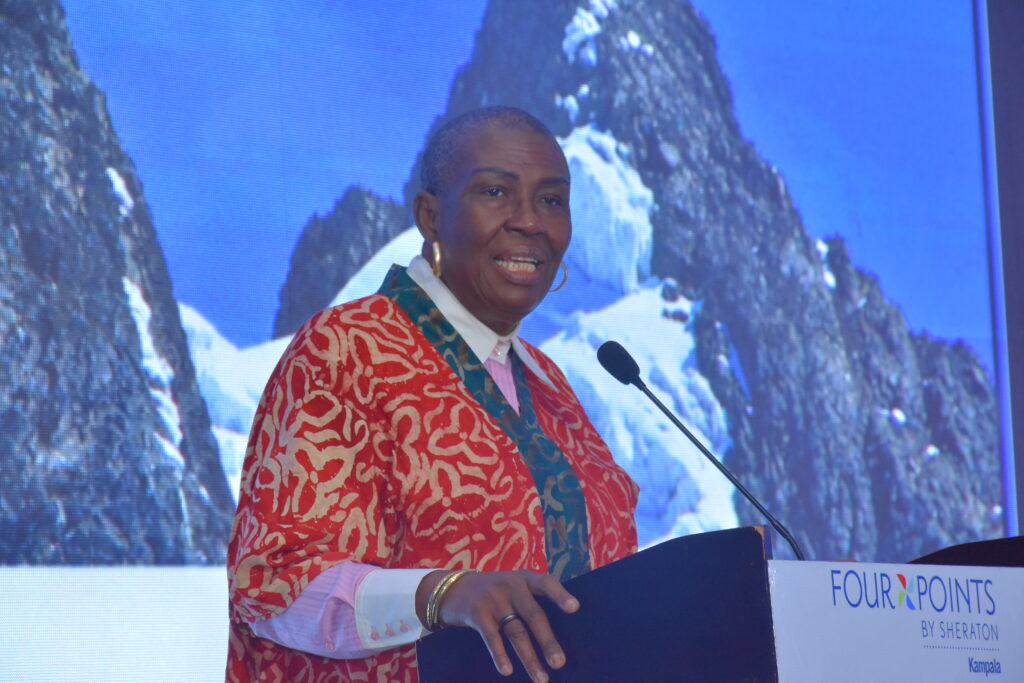
She outlined four priorities: strengthening the enabling environment to allow movable and intangible assets like booking platforms and digital travel guides to be used as collateral; designing products around tourism’s seasonal calendar; making investment readiness a discipline, not an event; and turning the one-day matchmaking into a lasting financing pipeline.
“This is not charity; it’s a business case,” Obahor said, urging banks to redesign at least one product this year that fits tourism’s business cycle.
The forum resolved to track success not by speeches made, but by actual financing mobilised, term sheets signed and enterprises that become bankable in the next 12 months.