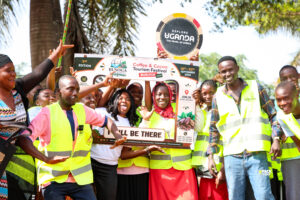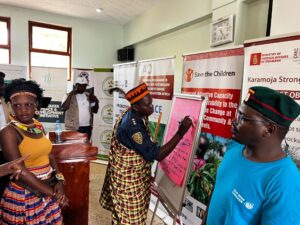

Youth from across the nine districts of Karamoja have demanded direct inclusion in high-level policy decisions, saying they are often called to discuss problems but excluded when solutions are made.
The call was made during the Youth Dialogue, one of the key parallel sessions of the 11th edition of the Karamoja Cultural Festival 2026, which took place from September 6th to 12th, 2026, at Naitakwai Grounds in Moroto District, Uganda.
The annual festival rotates among Karamoja districts. The 10th edition was held in Nakapiripirit, while the 12th edition is scheduled for Kotido. This year’s festival was organised by the Karamoja Cultural Association (KCA) and partners.
Sylva Two, in charge of publicity and resource mobilisation for KCA in Kampala, said the dialogues are central to the festival.
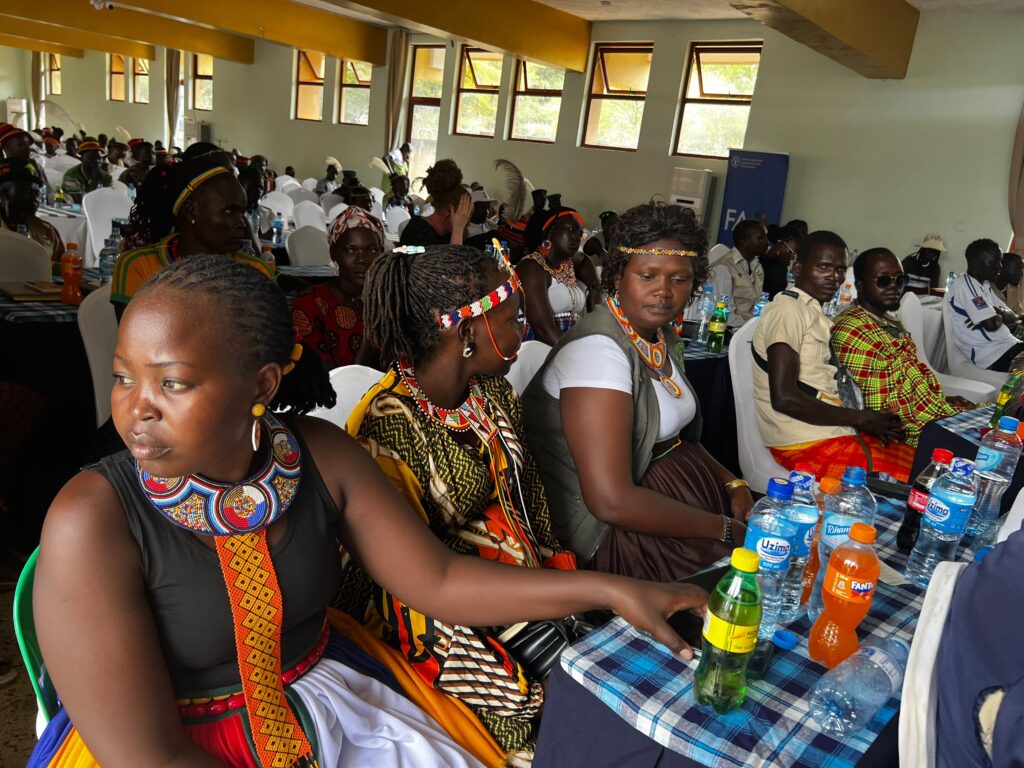
“At the moment we are doing the dialogues. The one we have right now here in Sona Hotel is the youth dialogue. The urban youth are actually discussing the challenges they are facing, and the rural youth who are engaging in the CND compound are also sharing the challenges,” he said during the festival week.
He explained that apart from the youth dialogue, two other major dialogues were running concurrently. Elders met at the traditional akriket- the Karamoja parliament of elders – where sessions begin with traditional prayers and bull slaughter, while women met at Naitakwai Primary School.
“One of the key things that touched them a lot was female genital mutilation (FGM), which they really want to end. I remember they were celebrating by clapping their hands,” Sylva said of the women’s session.
Youth Focus on Drought, Raids and Livelihoods
The youth dialogue drew participants from Kotido, Kaabong, Karenga, Nakapiripirit, Moroto and other districts.
Sylva said discussions were dominated by recurring challenges of cattle raids, famine and prolonged drought affecting the sub-region.
“They were sharing about how they should be able to self-sustain themselves, not only waiting for handouts, but also being able to take care of their little animals and make it into a business and entrepreneurship,” he said.
Previous festival dialogues also highlighted the need for livestock mobility as opposed to sedentarisation, and concerns over extractives and mining.
“As a pastoral community, we understand that an animal has to have all the nutrients in the grass. Every place in Karamoja has different minerals. When our animals move to another community, they get the minerals that the other community was lacking,” he noted.
All resolutions from the parallel dialogues were set to feed into the high-level dialogue at Moroto Boma, where ministers, MPs and development partners develop a joint policy paper for follow-up.
“Why Aren’t We Part of the Solutions?”
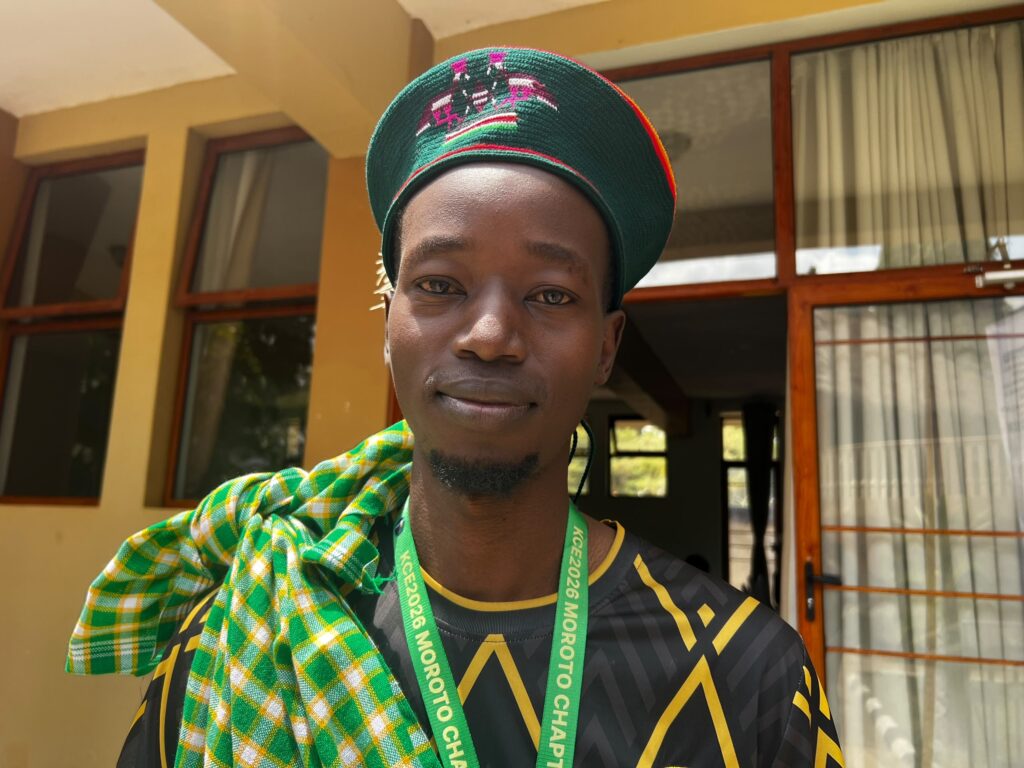
Norma Allen, a youth from Karamoja, said exclusion from decision-making remains a major frustration.
“Why is it that we are being sat down to discuss the problems that we face, but when decisions are being made, we are not being called to sit around the table? We want to be there at these high levels when these decisions are being made for us, because we provide the problems. Then why shouldn’t we be part of the solutions?” she said.
Youth MP Responds
Elma Kapel Challa, the Youth Member of Parliament for Northern Uganda, who attended the dialogue at Moroto Boma, said the issues raised will inform legislative action.
“We just completed the Karamoja Youth Dialogue that happens every year during the Culture Festival. It’s prudent for me to attend these events because I’m able to listen to what exactly our people have been missing out on and to voice their issues to the government,” she said.
Challa listed concerns raised, including drug abuse, unemployment, the single outdated skilling hub in Napak for the entire region, low compensation for wildlife destruction by Uganda Wildlife Authority (UWA), and scholarships from extractive industries not reaching local youth.
She also cited cross-border insecurity fueling raids and the need for rehabilitation for former raiders.

“We need to have a rehabilitation centre to see that after they have lost their livelihood, there is at least something for them to go forward with. Maybe startup capital, or maybe a skilling process,” she said.
Challa called for enforcement of local content in factories and mines operating in Karamoja.
“You can’t tell me that our young people who are able-bodied are not able to work in these factories. We need to make sure we secure those jobs to see that our young people are at least employed,” she said.
The 11th Karamoja Cultural Festival closed on September 12th with a cultural showcase at Naitakwai Grounds, celebrating Karamojong heritage while providing a platform for community-led policy engagement.