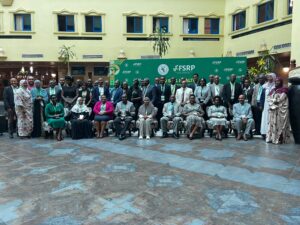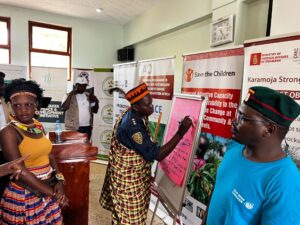
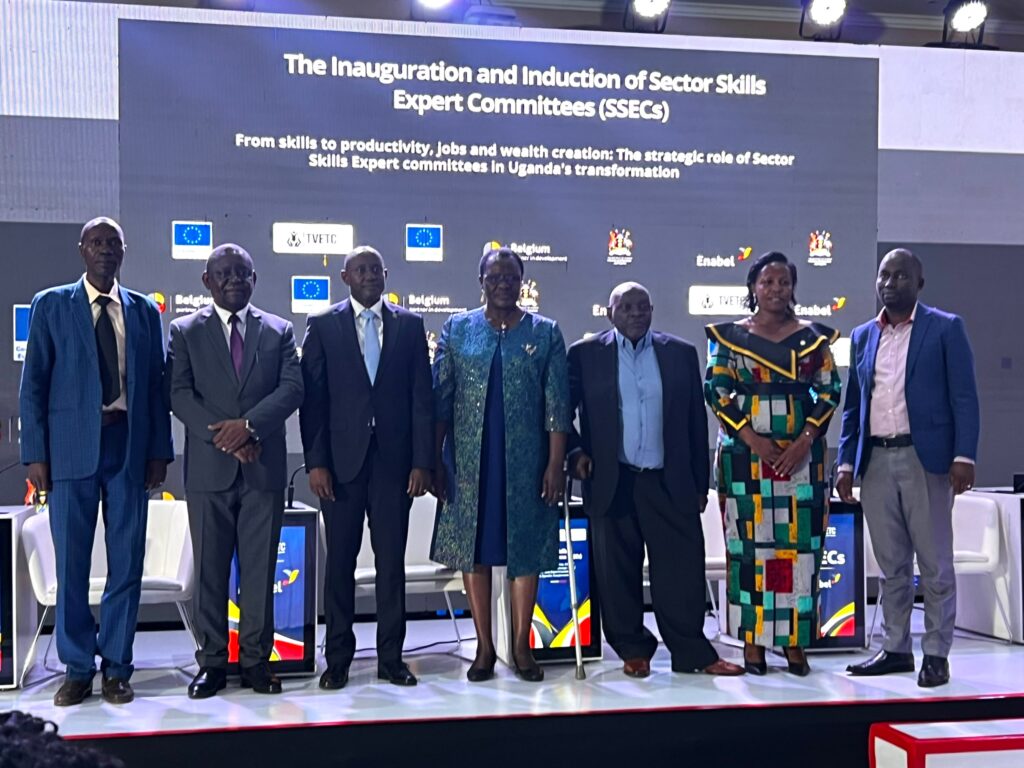
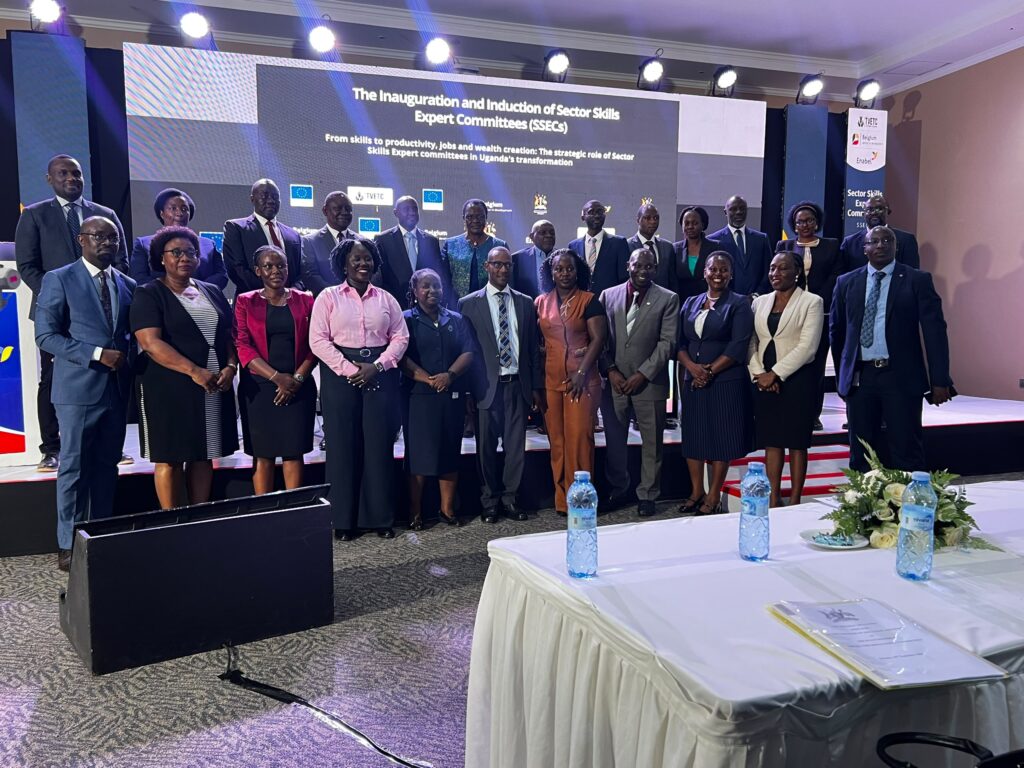
The Ministry of Education and Sports has inaugurated and inducted Sector Skills Expert Committees (SSECs) in a three-day workshop running from 15th to 17th September in Entebbe, aimed at repositioning skills training as a driver of productivity, jobs and wealth creation.
The workshop is being held under the theme: “From skills to productivity, jobs and wealth creation: The strategic role of sector skills expert committees in Uganda’s transformation.”
State Minister for Primary Education and Sports, Hon. Phyllis Chemutai, who officiated at the launch, said the committees have a strategic national assignment to answer a critical question for Uganda’s future.
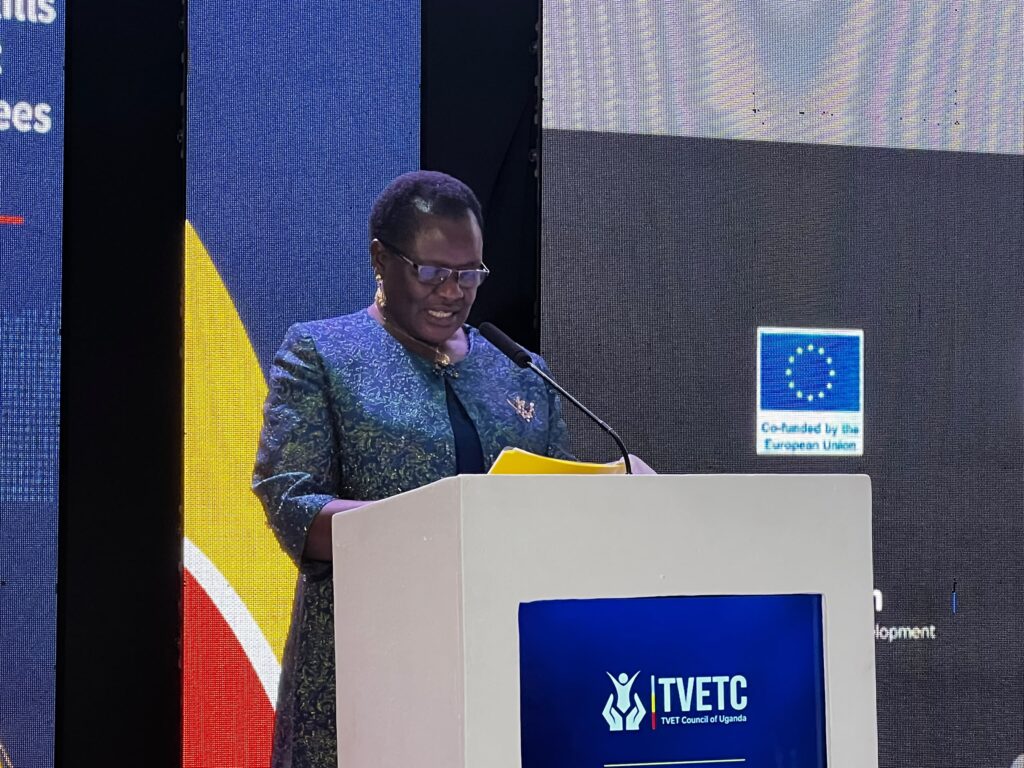
“What skills does Uganda need today, and what skills will Uganda need tomorrow if we are to transform our economy and improve the lives of our people? This is not merely an education question; it is a question of national development, employment, productivity, and industrialisation,” Chemutai said.
She congratulated the appointed members, urging them to approach the work with patriotism and national duty rather than as representatives of individual organisations.
Skills Must Drive Transformation
Chemutai said Uganda’s transformation under the Fourth National Development Plan (NDP IV) which focuses on higher household incomes, value addition and private sector development cannot rely on physical infrastructure alone.
“A road is only useful when people have the skills to use it productively. A factory is only productive when people can operate and maintain its machinery. Therefore, the transformation of Uganda must ultimately be a transformation of the capability of Ugandans,” she said.
She noted Uganda’s population now stands at about 45.9 million, with 77.8% below the age of 35. She warned that without relevant skills, the youth bulge could become a challenge instead of a demographic dividend.
Citing unemployment pressures, she said youth unemployment among 15-24 year olds is estimated at 17.9%, with about 4 million young people (43%) neither in employment, education nor training.
“We cannot afford to educate a generation that is waiting for opportunities that do not exist. We must educate a generation that is capable of creating opportunities,” she said.
The Minister said government is repositioning TVET as an engine of productivity and self-reliance, producing not just competent workers but entrepreneurs who can earn a livelihood and create jobs for others.
She made a strong appeal to the private sector to co-produce skills.
“You cannot complain about skills shortages and leave the responsibility for developing skills entirely to government. Industry must become a co-producer of skills,” Chemutai said.
Why SSECs Matter – TVET Council
Executive Director of the TVET Council, Moses Kasakya, said Uganda’s TVET reform which started around 2019 was prompted by a mismatch many graduates without jobs, while jobs existed requiring competences not available locally.
“TVET skilling is practical. 30% in the classroom and 70% in the field. By the time somebody is certified, they are not talking about what they studied, they are talking about what they can do,” Kasakya said.
He explained that the 10 Sector Skills Expert Committees launched by the Minister are composed of industry players, not trainers, and are tasked with labour market intelligence.
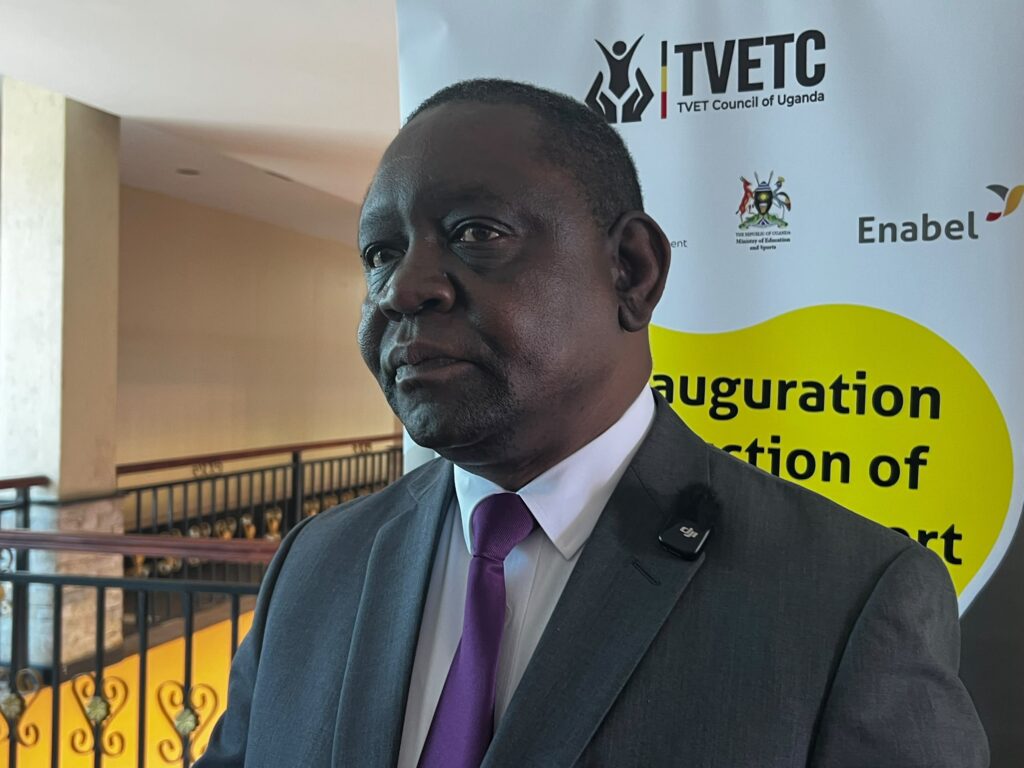
“They help the training side understand what competences are needed now and what will be needed in the future whether in mineral development, oil and gas, ICT, agriculture, tourism or manufacturing so that we invest in skills for the future instead of importing them,” he said.
Kasakya said if training is aligned to where technology and investment are going, graduates will be employable or able to start productive enterprises, contributing to Uganda’s tenfold growth ambition from USD 50 billion to USD 500 billion.
Three-Day Induction
The induction program will run for three days:
Day One focuses on helping members understand their national role and the players in the TVET system.
Day Two will orient them on evidence-based labour market research, not corridor talk.
Day Three will be practical sessions on turning evidence into curriculum, assessment and investment recommendations.
Kasakya added that TVET is also running an awareness campaign to help young people and parents understand the two skilling routes general education and TVET, available from as early as after P7, guided by the national qualifications framework.
The SSEC model is expected to make Uganda’s skilling system more responsive, competitive and directly linked to productivity, jobs and wealth creation.