President Yoweri Kaguta Museveni has declared Uganda open for business and tourism, assuring international visitors of the country’s capacity to detect and contain public health emergencies following the successful containment of the 2026 Ebola outbreak.
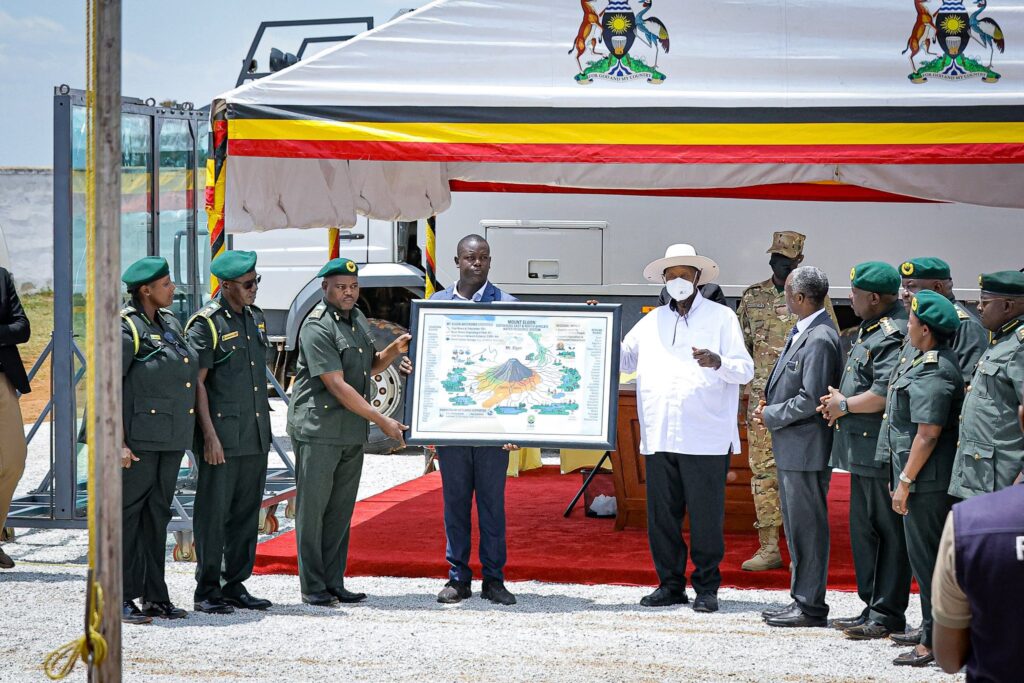
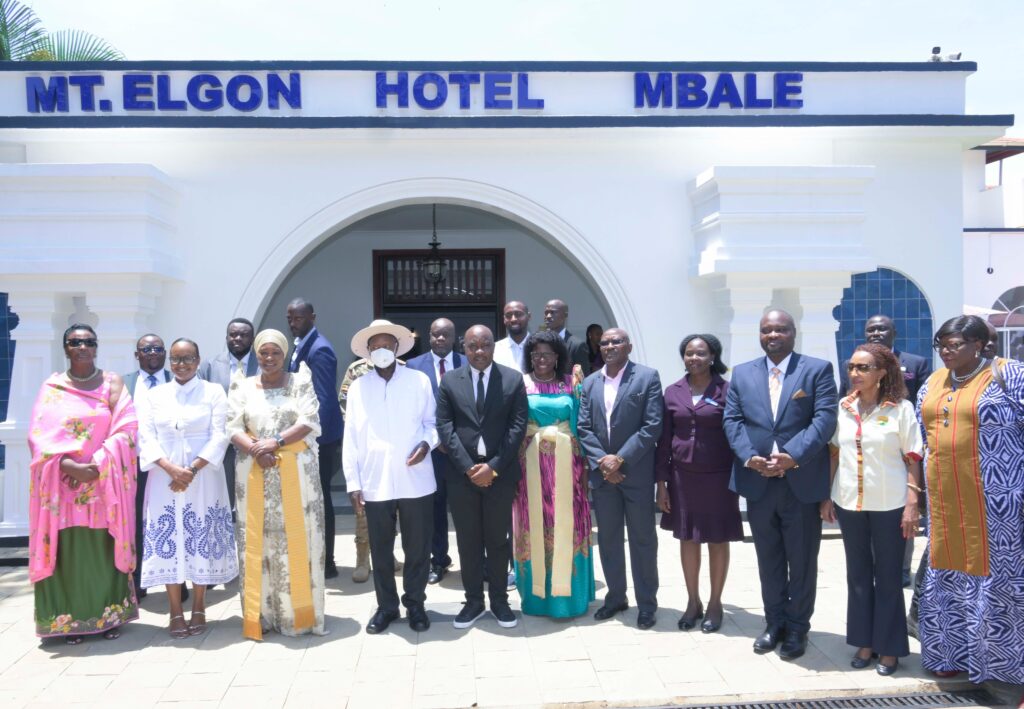
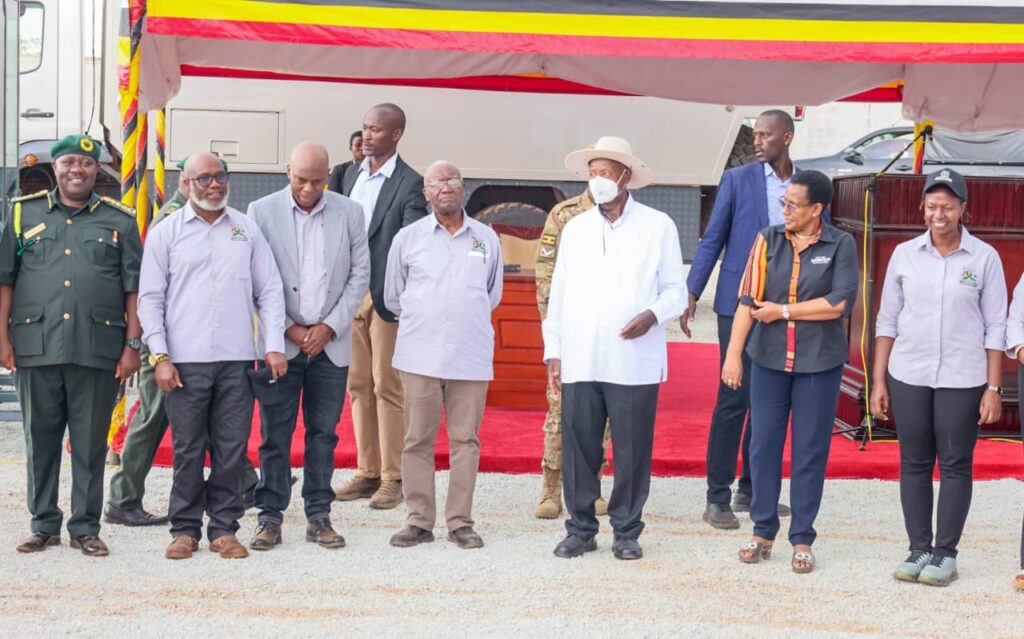
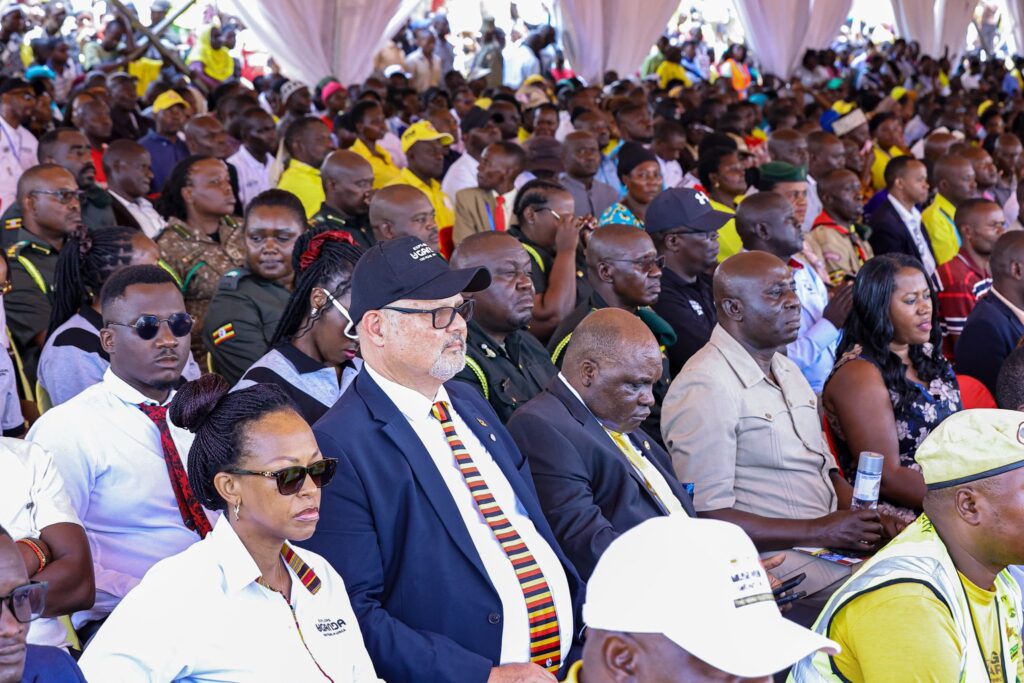
The President was speaking during the national celebrations to mark World Tourism Day 2026 held in Mbale City, under the global theme: “Digital Agenda and Artificial Intelligence to Redesign Tourism” and the local call to “Explore Elgon.”
The celebrations showcased the tourism potential of the Elgon region, from Mount Elgon’s landscapes, waterfalls, and caves to coffee experiences, Imbalu culture, and adventure and community tourism.
Tourism By The Numbers
President Museveni said tourism remains a key pillar of Uganda’s economy, a source of foreign exchange, jobs, a market for local products, and a catalyst for investment and infrastructure.
“When a visitor comes to Uganda, that visitor does not spend money in only one place. They use transport, stay in hotels, eat Ugandan food, employ guides, buy crafts, visit attractions and engage with our communities,” Museveni said.
According to sector results for 2025, Uganda recorded 1.64 million international tourist arrivals, up 19.7%, with tourists staying an average of 8.8 nights. Tourism receipts rose to approximately US$1.62 billion, about UGX 5.83 trillion.
The sector directly supports more than 876,000 jobs and contributes 5.9% to GDP, making it a significant contributor to service exports. Every shilling invested in tourism promotion yields Shs 2.6 in return, government data shows.
To consolidate growth, the government has increased tourism development allocation to Shs 567 billion for FY 2026/27 to reinforce conservation infrastructure and global marketing.
Uganda Contained Ebola – Now Open
The President acknowledged that the sector was severely hit by COVID-19 and had just recovered when the country faced another shock – the Ebola outbreak.
“The Ebola outbreak was declared on 15 May 2026. Uganda subsequently strengthened surveillance, case management, contact tracing and other response measures. After completing the required 42-day period without new confirmed transmission, WHO and Africa CDC welcomed Uganda’s declaration that the outbreak had ended on 27 August 2026,” Museveni said.
“This experience has demonstrated that Uganda has the institutional capacity, health systems, professionals and partnerships necessary to detect, contain and respond to public-health emergencies. The message to the international community should therefore be clear: Uganda is open for business, Uganda is open for tourism.”
Infrastructure Opening Up Tourism
Museveni said poor accessibility has long constrained tourism. The government has since invested heavily in roads, airports, energy, water, telecommunications and security, not only to make it easier for tourists to travel, but to open economic opportunities for Ugandanss.
He warned that tourism cannot grow if natural assets are destroyed.
“Our forests, wetlands, rivers, mountains and national parks are not obstacles to development. They are national economic assets. We shall use our natural resources responsibly, and we shall also protect them for future generations,” he said.
He said conservation must bring tangible benefits to surrounding communities to make them partners in protection.
Beyond National Parks – Diversify Elgon
The President urged the industry to move beyond the traditional national park and wildlife experience to diversify products – including mountains, rivers, culture, adventure, religious, community, culinary and sports tourism.
“A tourist should not come to Mbale for only one attraction. We should create reasons for that visitor to stay longer, spend more and return,” he said, inviting Ugandans and the world to explore Elgon.
He lauded the establishment of a regional wildlife education centre in Mbale by the Ministry of Tourism, Wildlife and Antiquities and Uganda Wildlife Authority, saying it brings wildlife education closer to people.
He also called for activation of domestic tourism to make the sector resilient against global shocks, and encouraged tourism businesses to embrace digital marketing and Artificial Intelligence in booking, customer engagement and destination marketing.
Minister Butime: Perception Travels Faster Than Facts
Minister of Tourism, Wildlife and Antiquities, Hon. Col. Tom Butime, said Uganda has fully transcended post-pandemic recovery into unprecedented growth, but faced a setback with the 2026 Ebola outbreak caused by the Bundibugyo virus, imported from DRC.
“The lesson for tourism was clear: perception can sometimes travel faster than facts. Even where the outbreak is geographically contained and effectively managed, concerns about health and safety can influence travel decisions,” Butime said.
He said Uganda was officially declared Ebola-free on 28 July 2026, praising health workers and security agencies. He said the experience shows tourism resilience is inseparable from investment in health, security, transport, ICT and crisis communication.
Butime appealed for stronger support for MICE – Meetings, Incentives, Conferences and Exhibitions – and mega events, citing the NAM and G77+China summits as examples of trickle-down economics.
“A major conference is not simply a three-day meeting. It fills hotels, restaurants, transport and employs caterers, decorators, photographers, ICT specialists. Its footprint can reach Entebbe, Jinja, Mbale, Fort Portal, Mbarara and beyond,” he said.
He said AFCON 2027 presents an opportunity to use sport as a gateway to tourism and called for mechanisms to bid for more international conferences, de-risk event infrastructure investment, and provide patient capital.
On travel, he proposed re-introducing visa-on-arrival for bona fide tourists and advancing a visa-free Africa, including a common East African entry visa for AFCON 2027.
“Uganda has overcome COVID-19. Uganda has contained Ebola. Uganda remains open, resilient and ready to welcome the world,” he said.
PS Katusiime: Make Imbalu An International Cultural Festival
Permanent Secretary Doreen Katusiime welcomed visitors to Mbale, saying the Elgon region beautifully demonstrates what Uganda offers – nature, culture, adventure, agriculture, particularly coffee, and hospitality.
She said the timing coinciding with the Imbalu season – the Bagisu circumcision rite marking the transition to manhood – is significant.
“Imbalu is much more than a cultural ceremony. It is an important expression of identity, community, values and transition,” she said.
Katusiime proposed evolving Imbalu beyond its traditional calendar into an internationally recognised cultural and entertainment event.
“Around the world, major cultural celebrations have evolved into carnivals and festivals attracting visitors, media and investors. Why should Imbalu not become one of Africa’s great cultural celebrations? We can imagine an annual Elgon Cultural and Entertainment Season around Imbalu – combining culture, music, fashion, food, sports, adventure and business,” she said, emphasising that communities must remain at the centre and benefits must be authentic.
On the global theme, she warned: “We cannot promote a 21st-century tourism destination using yesterday’s tools,” calling for equipping institutions and youth with digital skills.
Katusiime said the government will continue to create an enabling environment while the private sector invests and creates experiences, urging investors to see Elgon not just as a place to visit but a place to invest.
She also recognised tourism excellence awardees and development partners supporting digital transformation, product development and statistics.
The celebrations ended with a call to Explore Uganda, Experience Elgon, and Invest in Uganda, as the government targets growing tourism receipts towards the US$50 billion mark under the Tenfold Growth Strategy and NDP IV.