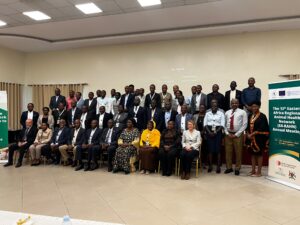

Uganda has officially launched the countdown to the Future Hospitality Summit (FHS) Africa 2027, the continent’s leading hospitality investment forum, which will be hosted in Kampala from 2nd to 3rd February 2027 at the Speke Resort Convention Centre, Munyonyo.
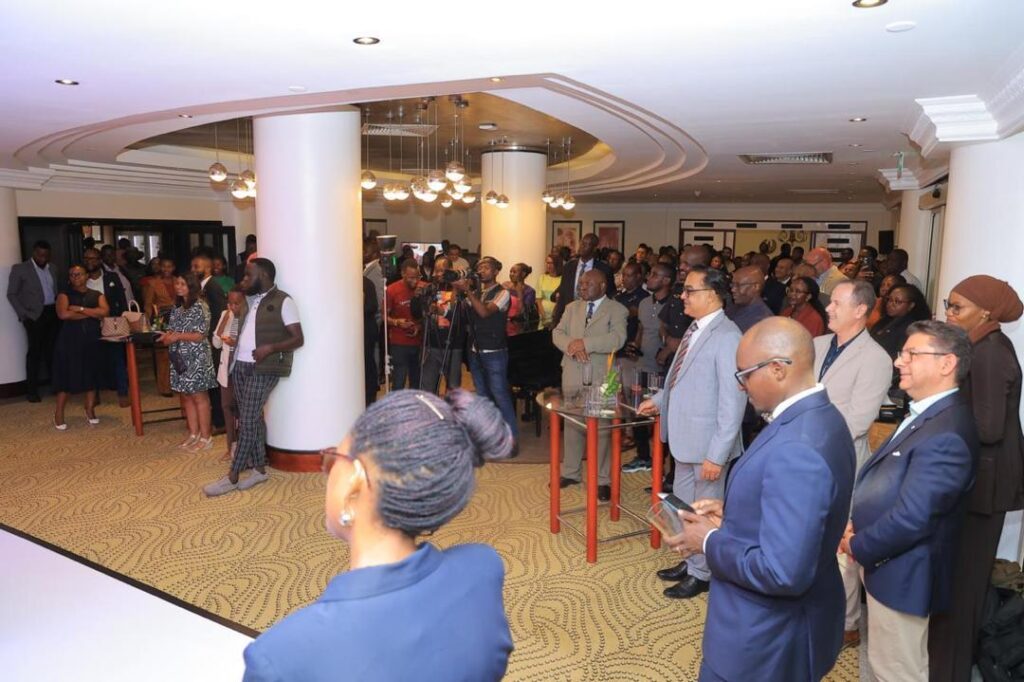
The launch reception was held at Kampala Serena Hotel and was hosted jointly by the Uganda Tourism Board (UTB) as Host Partner and FHS Africa. The event brought together hospitality investors, hotel operators, tourism leaders, government representatives, professional associations and private-sector stakeholders.
The hosting of FHS Africa marks a major milestone for Uganda’s Meetings, Incentives, Conferences and Exhibitions (MICE) strategy and its ambition to position itself as a hub for tourism and hospitality investment.
Speaking at the reception, Roy Bannister, Head of Strategic Partnerships at FHS Africa, said Uganda’s selection goes beyond hosting a conference.
“FHS Africa’s coming to Uganda reflects something much bigger than a conference; it is a platform where capital meets opportunity, investors meet developers and new relationships translate into new investments and new businesses,” Bannister said.
UTB Chief Executive Officer, Juliana Kagwa, said the summit aligns with Uganda’s long-term tourism growth plan.
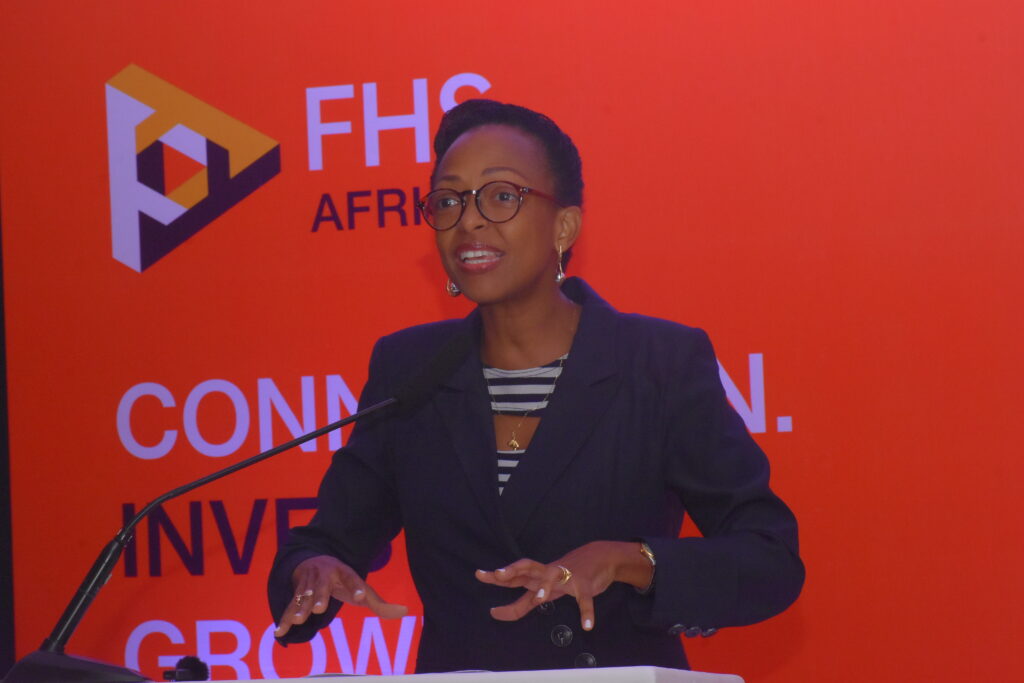
“We believe that this is one of very many steps that will allow us to get ourselves ready to deliver that 50 billion dollar target we’ve given ourselves for 2040, when we talk about the tenfold growth plan within which tourism is supposed to grow 25-fold,” Kagwa said.
“We first realised that we need to grow investment in tourism in tandem with tourism arrivals. The Future Hospitality Summit is a platform that brings together investors, landowners, developers, architects, engineers and all players in the value chain. If you have 10-room, 12-room lodges, and you’re looking for international partners that will put your business on steroids, this is the platform,” she added.
Kagwa noted that all cities that have hosted FHS Africa including Casablanca, Addis Ababa and Cape Town, have never looked back, with skylines transformed by new hotel investments.
She said the early launch, six to seven months ahead of the summit, is intended to give the Ugandan value chain time to prepare bankable projects and increase lender confidence.
State Minister for Tourism, Wildlife and Antiquities, Hon Susan Nakawuki, said hosting FHS Africa is a breakthrough for a country that has traditionally been known for wildlife and culture tourism.
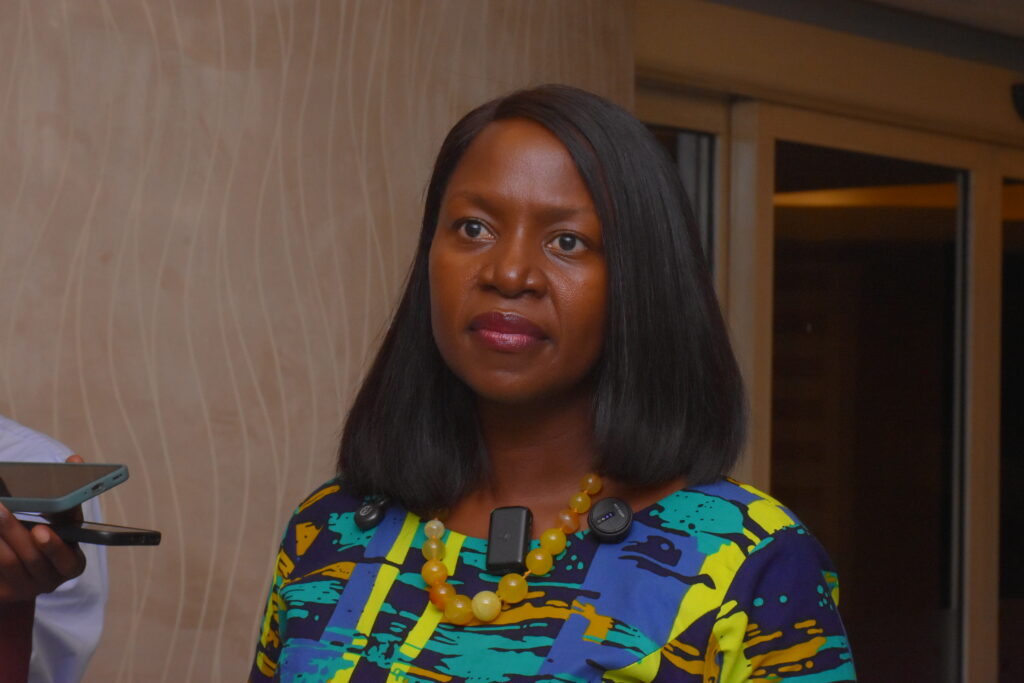
“It has always been a preserve of countries like Kenya, South Africa and this time around, due to the good job that UTB is doing, we managed to get it from South Africa to Uganda,” Nakawuki said.
She highlighted Uganda’s growing branded hotel pipeline, noting the recent opening of Marriott and the anticipated launch of Hilton, with more international brands like Grand Hyatt and Kempinski being targeted.
“Uganda, we are not so well off when it comes to five-star, four-star accommodation. We are hosting AFCON next year in June. It’s going to be huge but we are still working around the numbers because we expect a lot more people than the available accommodation,” she said, adding that Airbnb investments are now part of the accommodation ecosystem.
The Minister emphasized the trickle-down effect of hospitality investment to farmers, restaurant owners, and young professionals, including mixologists trained at the Uganda Hotel and Tourism Training Institute in Jinja.
The Chairperson of the Trade and Tourism Committee and Member of Parliament for Kole South, Hon. Okot Boniface Henry, welcomed the opportunity presented by the summit and emphasised the importance of collective action in unlocking Uganda’s tourism potential.
Hon Wilber Manyisa Ahebwa, Member of Parliament for Nakaseke North and Member of the Tourism, Trade and Industry Committee, described the launch as a milestone for the MICE segment.
“As a country, we have been lacking particularly on the MICE segment, because what we have been promoting is more wildlife and culture, but the MICE segment has been a bit weak. So this is a great milestone for the country and for the tourism and hospitality sector,” Ahebwa said.
He commended UTB and the Uganda Hotel Owners Association for winning the competitive bid.
“When those international delegates come into the country, we definitely have spillover effects. You have investors coming as delegates, you have tourists coming as delegates, so the multiplier effect as far as the Ugandan economy is concerned is widespread,” he said.
Ahebwa added that such summits improve Uganda’s international visibility, especially when regional health scares such as Ebola in the Democratic Republic of Congo affect perceptions about Uganda.
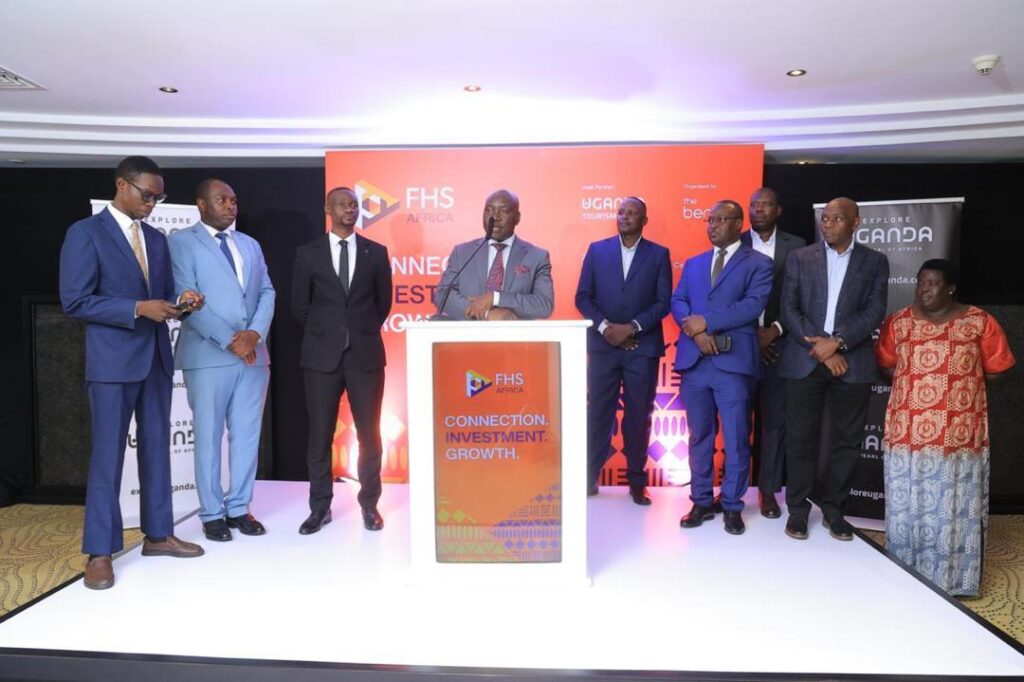
Hosting the reception, Khaled Helmy, General Manager of Kampala Serena Hotel, said FHS Africa’s legacy should be measured in people and partnerships.
“We can build a hotel in a few years. We can create beautiful buildings, restaurants, conference facilities. But developing great hospitality professionals takes much longer. It takes mentorship, exposure, training and opportunities,” Helmy said.
“Tonight, it’s not simply about launching a conference; it’s about opening a door. A door to investment, a door to collaboration, and a door to positioning Uganda more strongly on the international hospitality and tourism stage,” he added.
He also announced that the new state-of-the-art Kampala Serena Conference Centre will be ready to host major MICE events in downtown Kampala.
Organizers highlighted that Uganda’s opportunity extends beyond hotels to aviation, tour operations, food and beverage, and financial services. The role of air connectivity was underscored, with Uganda Airlines recognized for expanding its network to Accra and Kigali.
The February 2027 summit is expected to attract global hotel brands, investors, financiers and developers to engage with Ugandan landowners, local operators and domestic investors as Uganda prepares to meet growing demand ahead of AFCON 2027 and its 2040 tourism targets.