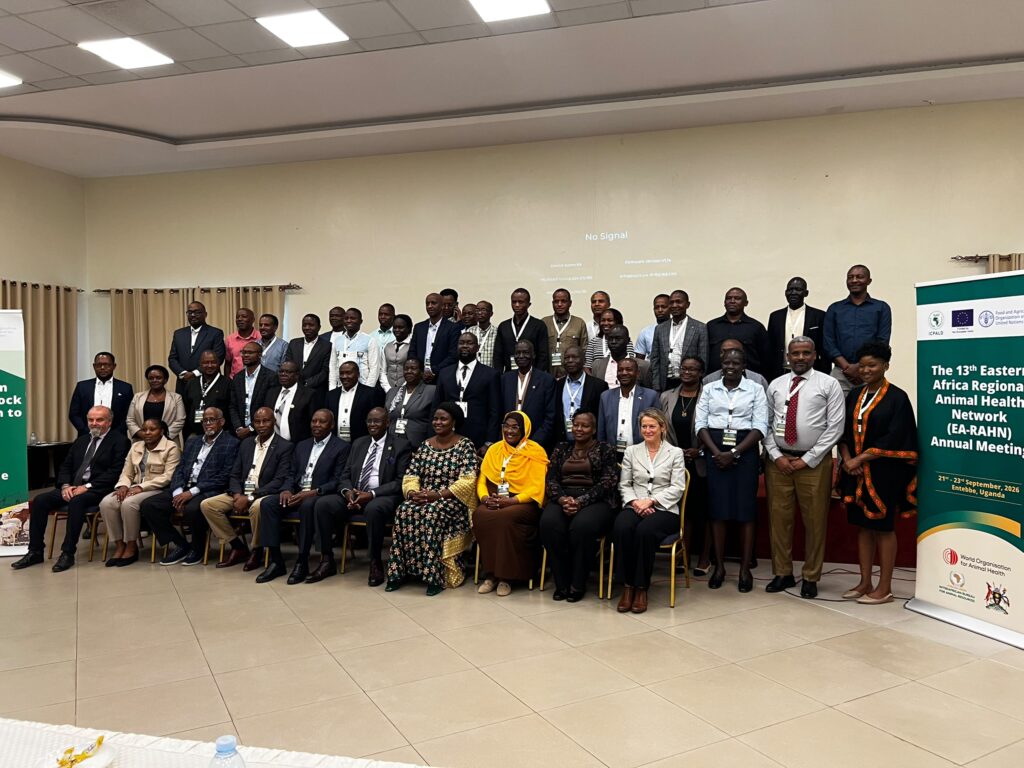
Uganda has hosted the 13th Eastern Africa Regional Animal Health Network (EA-RAHN) Annual Meeting and the 12th Peste des Petits Ruminants (PPR) Coordination Meeting, bringing together veterinary authorities, scientists and development partners to forge a united front against animal diseases that threaten livelihoods, trade and food security.
The three-day regional engagement has drawn representation from the seven IGAD member states: Djibouti, Eritrea, Ethiopia, Kenya, Somalia, South Sudan, Sudan and Uganda, alongside three non-IGAD countries in the region: Burundi, Rwanda and Tanzania.
Partners including the Food and Agriculture Organization (FAO), African Union Inter-African Bureau for Animal Resources (AU-IBAR), AU-PANVAC, the World Organisation for Animal Health (WOAH), EAC and research institutions are also participating.
The meeting is being held under the theme: “Strengthening regional collaboration is essential to building resilient animal health systems and protecting the livelihoods that depend on livestock.”
Animal Diseases Don’t Know Borders — Minister Rwamirama
Officially opening the meeting, the Minister of State for Agriculture, Animal Industry and Fisheries (Animal Industry), Lt Col (Rtd) Dr Bright Rwamirama Kanyontore, said regional cooperation is no longer optional.
“Uganda is pleased to host this important regional gathering at a time when cooperation among our countries is more important than ever. The livestock sector is central to livelihoods, food and nutrition security, employment, trade and economic growth across Eastern Africa,” Rwamirama said.
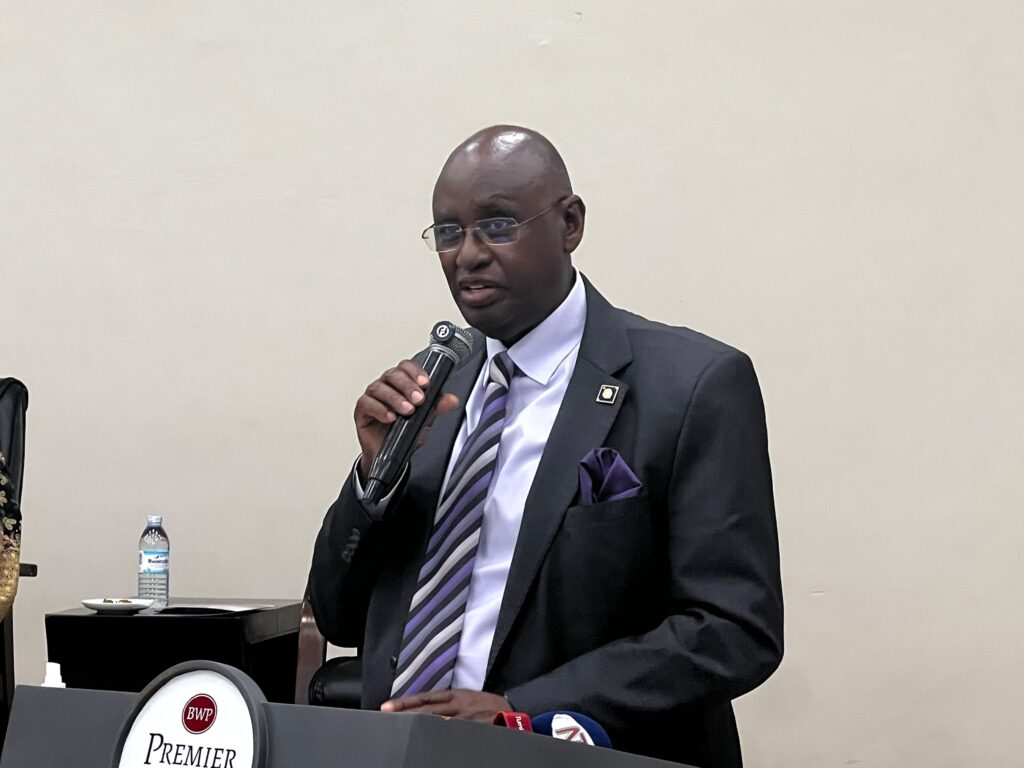
He warned that livestock systems continue to face a convergence of threats, transboundary animal diseases (TADs), emerging and re-emerging zoonoses, antimicrobial resistance (AMR), climate-related shocks, conflicts and weak veterinary service delivery in remote pastoral areas.
“Animal diseases do not respect national borders. Livestock, people, wildlife, commodities and pathogens move across borders, often along the same corridors that support pastoral livelihoods and regional trade. Our response must therefore also transcend national boundaries,” he said.
Rwamirama said platforms like EA-RAHN are critical for coordination, information sharing and joint action. He challenged delegates to move beyond talk.
“This meeting should move from information sharing to coordinated action. The success of this meeting should ultimately be measured not only by the quality of our discussions, but by the practical actions and commitments agreed upon after leaving Entebbe,” he noted.
The agenda covers GF-TADs, One Health, climate change, AMR, laboratory systems, digital transformation, livestock trade, SPS measures, AfCFTA, and veterinary workforce development.
On PPR, the highly contagious disease threatening goats and sheep, the Minister said discussions will focus on progress towards eradication, vaccination coverage, surveillance, national strategic plans and pathways to official recognition.
“Cross-border collaboration is essential because livestock movements and disease risks extend beyond administrative boundaries,” he said, citing lessons from the Karamoja, Moyale/Borena, Mandera and Mara/Serengeti clusters.
Rwamirama also linked animal health to climate resilience and trade, revealing that government, through NAGRIC, is now producing subsidised animal feeds and rolling out water harvesting for livestock, while discouraging uncontrolled livestock movements.
“We are moving away from working in silos as individual countries in dealing with transboundary animal diseases. Like human beings, animals have despised these colonial borders, and once the disease is on the other side, and you treat one side, you are not solving a problem,” he added.
IGAD: From Agreements to Action on the Ground
Joseline Bigirwa, Head of the IGAD Mission Office in Uganda, representing IGAD Executive Secretary Dr Workneh Gebeyehu, said pastoral mobility, while a vital adaptation strategy, can facilitate disease spread if not regulated.
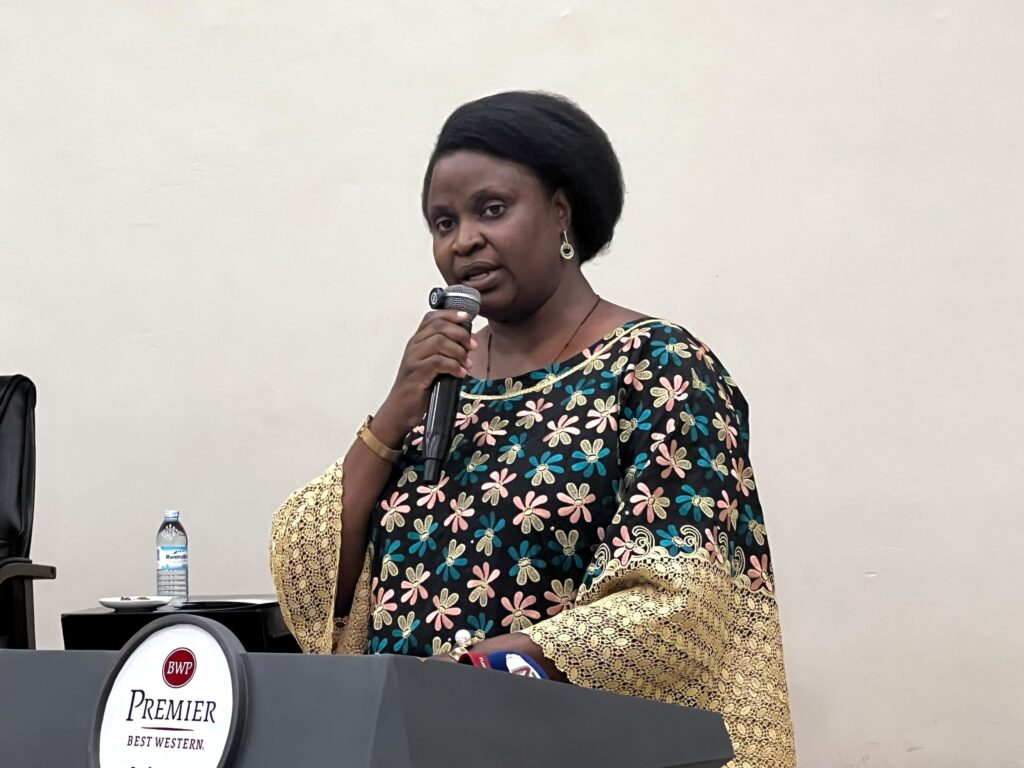
“No individual country can effectively prevent and control transboundary animal diseases in isolation when livestock, pastoralists, pathogens, markets and ecosystems are interconnected across national boundaries,” Bigirwa said.
She highlighted key achievements including bilateral and multilateral MOUs on cross-border animal health cooperation, operationalisation of joint surveillance and synchronised vaccination, and the July 2024 signing of Animal Disease Information Sharing Protocols by Chief Veterinary Officers of Ethiopia-Kenya, Djibouti-Ethiopia, and Ethiopia-Somalia clusters.
“The Karamoja cluster, where Ethiopia, Kenya, South Sudan and Uganda have established a framework for cooperation covering their shared border areas, provides an example. The recent joint planning and synchronised vaccination initiatives between Ethiopia and Kenya in June, and among Ethiopia, Kenya, South Sudan and Uganda in July 2026, demonstrates that these regional mechanisms are increasingly being translated into practical field cooperation,” she said.
Bigirwa also underscored the IGAD Protocol on Transhumance, which seeks to make cross-border livestock mobility safe, orderly and predictable through transhumance certificates and designated corridors.
She reaffirmed IGAD’s commitment to PPR eradication by 2030, as agreed in the 2025 IGAD Ministerial Conference on Transhumance and Livestock Development.
On the sidelines, Bigirwa told journalists that the meetings are a learning platform.
“These meetings create space for epidemiologists, laboratory technicians, veterinarians to reflect on what interventions they have been able to take, what they have been able to achieve, what lessons they learned, and how they can learn from each other,” she said, adding that IGAD is working with the Ministry of Agriculture and Operation Wealth Creation to develop a program to support settled farming in the Karamoja cluster as a long-term strategy to reduce disease and improve incomes.
WOAH: Transparency is Strength, Not Weakness
Representing the WOAH Sub-Regional Representative Dr Neo Joel Mapitse, Dr Simon Kihu said livestock remains Eastern Africa’s most important economic asset but is under growing pressure.
“No country can face animal health threats alone. An outbreak in one country can quickly become a regional concern,” he said, calling for an integrated mechanism where EA-RAHN supports regional advisory groups for PPR, FMD, CBPP, ASF and other diseases.
Dr Kihu urged countries to fully utilise WOAH tools like the PVS Pathway and to strengthen timely reporting through WAHIS.
“Transparency is not a weakness, it demonstrates capability, responsibility and commitment to global animal health security. Let us turn recommendations into action, partnerships into measurable results,” he said.
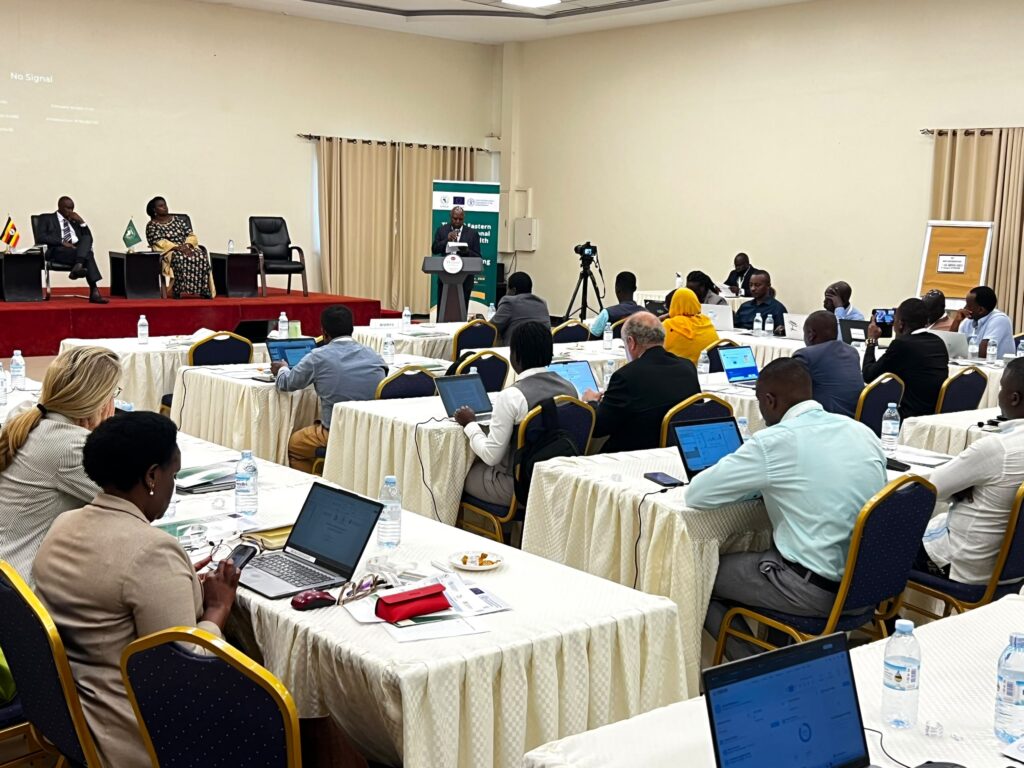
Minister Rwamirama tasked delegates to answer five practical questions by the end of the meeting:
- What can we do better together as a region than individual countries can do alone?
- How can we strengthen timely cross-border surveillance, information sharing and joint response?
- How can we translate regional strategies into action at national and community levels?
- How can we strengthen investment in veterinary services, laboratories, digital systems and the workforce?
- How can we better connect animal health with climate resilience, sustainable livestock development and regional trade?
Expected outputs include a review of progress since the 12th EA-RAHN meeting, shared regional disease and surveillance information, agreed priorities for TADs control and One Health, and a regional communiqué and action plan.