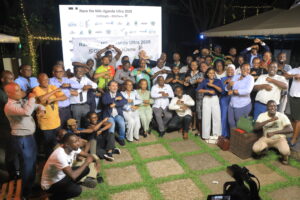
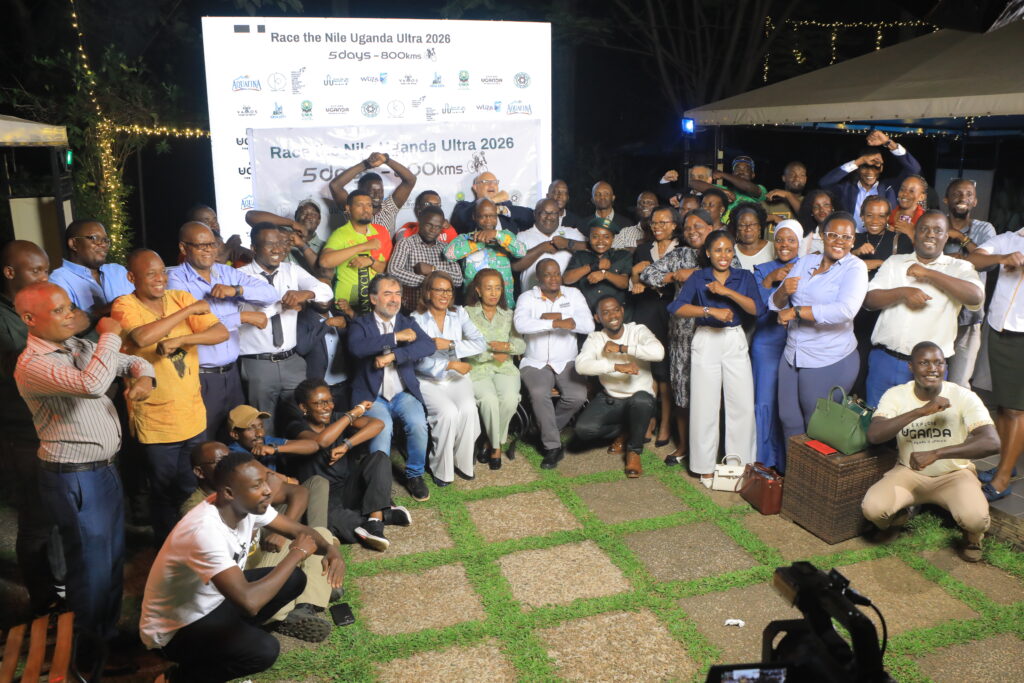
Organisers of the Race the Nile Uganda Ultra 2026 have held a second launch in Kampala, days after the first launch in Arua City.
The international cycling event, the first of its kind in Uganda, is scheduled for November 23-27, 2026, starting and ending in Arua City. The five-day race will cover 800 kilometres through all districts of West Nile.
The route includes Arua City, Maracha, Koboko, Yumbe, Moyo, Adjumani, Obongi, Madi Okollo, Pakwach, Nebbi, Zombo and back to Arua.
“97% Gravel, Self-Supported Extreme Race” – Ajarova
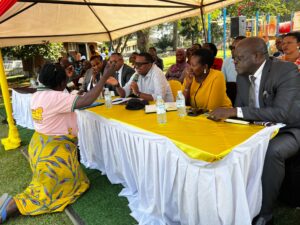
Speaking at the launch held at Sheraton Hotel Kampala, Lilly Ajarova, Senior Presidential Advisor on Tourism and one of the organisers, said the race is an extreme sport to be held mostly on gravel.
“Only 3% of the distance is going to be tarmac that they will ride on, but 97% of the distance is going to be on gravel, and it is a self-supported race,” Ajarova said.
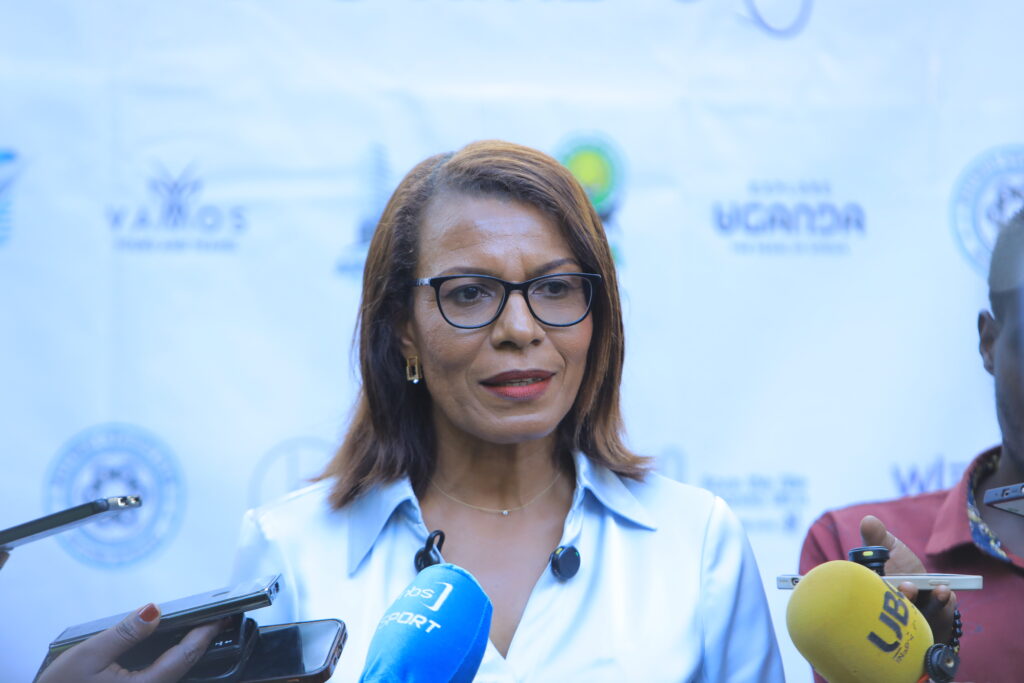
“What this means is that the racers are going to have to take care of themselves. We are providing all the information to them in terms of their route, their stopover points, but also where they can be able to sleep. List of guest houses, hotels, where they can get supplies but we are not supposed to help them in booking anything,” she explained.
In addition, Ajarova said that riders will be tracked to ensure they follow the right route and will navigate by themselves. If they go off-route, they will be disqualified.
Why West Nile?
Ajarova said West Nile was chosen because it remains a raw and largely unknown frontier, even to many Ugandans, yet it is rich in culture, history, landscape and agriculture.
“West Nile is a very raw frontier that is not known even to most Ugandans. Yet it is a very rich region, multi-racial in terms of tribes. The landscape, the northern escarpment, Rift Valley escarpment, provides a beautiful view of Lake Albert,” she said.
She cited historical sites like Pasha, diverse food cultures, and Zombo district as a major grower of coffee with a unique aroma, as part of the experiences riders will encounter.
“We believe that Race the Nile, as a cycling event, should be able to help unlock West Nile for development, tourism investment, and trade,” Ajarova added.
The first edition will be capped at 50 international racers to allow organisers to learn and improve for subsequent annual editions.
White Rhino Naming Rights Up for Grabs
Ajarova revealed that the top prize for the winner will be naming one of the white rhinos at Ajai Wildlife Reserve, a prize she said has generated excitement among potential participants.
UTB Pledges Support to Disperse Tourism
Daniel Irunga, Senior Marketing Officer at Uganda Tourism Board, pledged UTB’s support for the race, saying it aligns with the Board’s strategy to spread tourism across the country.
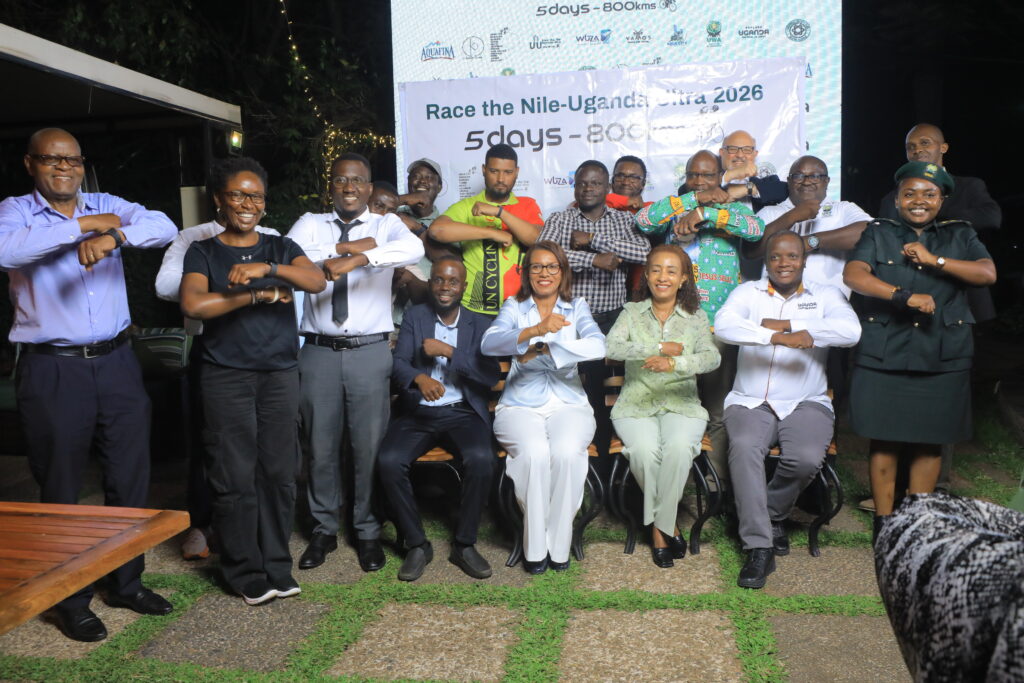
“We believe that tourism should be spread across the country. Very soon, we will be going to Karamoja for the Karamoja Festival. There will be Empango. There will be, of course, our marathon that’s coming up. But as we are doing that, we are trying to disperse tourism as much as we can,” Irunga said.
“We believe that no one should tell the story about Uganda more than the Ugandans. So, with that, members would like to congratulate the organisers. Would like to commit our support,” he added.
Irunga noted that UTB has engaged Uganda’s missions abroad to create connections with international racers.
“We have asked them to support to create connections with racers from across the world, and as they come, they will be able to explore parts of Africa. So, on behalf of our team and our CEO, we want to wish you the very best, and we offer as much support as we possibly can as we make the race a success,” he concluded.
Isaac Mulindwa, Chief Executive Officer of Wuza (U) Ltd, said his company had partnered with the race owners to deliver Uganda’s first international cycling race.
“As Wuza, we have partnered with the owners of the race to make sure that we pull off the first international cycling race in Uganda. We intend to make it an annual event that brings in international cyclists and also improves local cyclists,” he said.
Mulindwa added that West Nile has often been left behind due to poor tourism infrastructure, but a self-supported race does not require luxury accommodation, as cyclists will find places to stay and eat along the way.
“If this grows, everybody will grow. Tourism will grow. Transport will grow,” he said.
The race is expected to shine a spotlight on West Nile’s tourism potential and open it up for investment and trade.