
As Uganda prepares its airports for increased traffic ahead of AFCON 2027, the Uganda Civil Aviation Authority (UCAA) has warned that a weak security culture remains one of the biggest threats to the aviation industry.
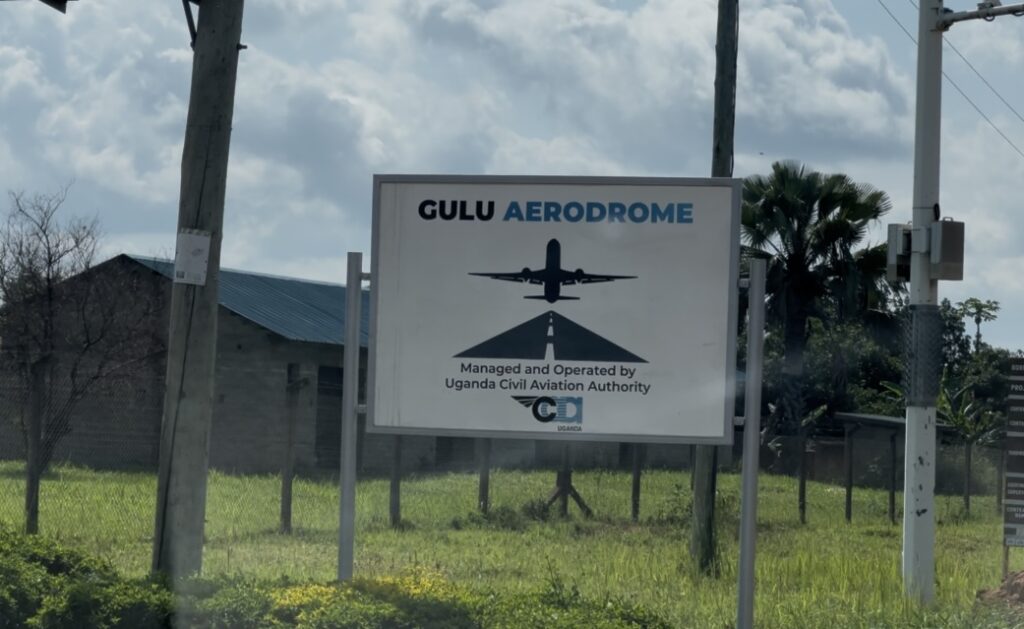
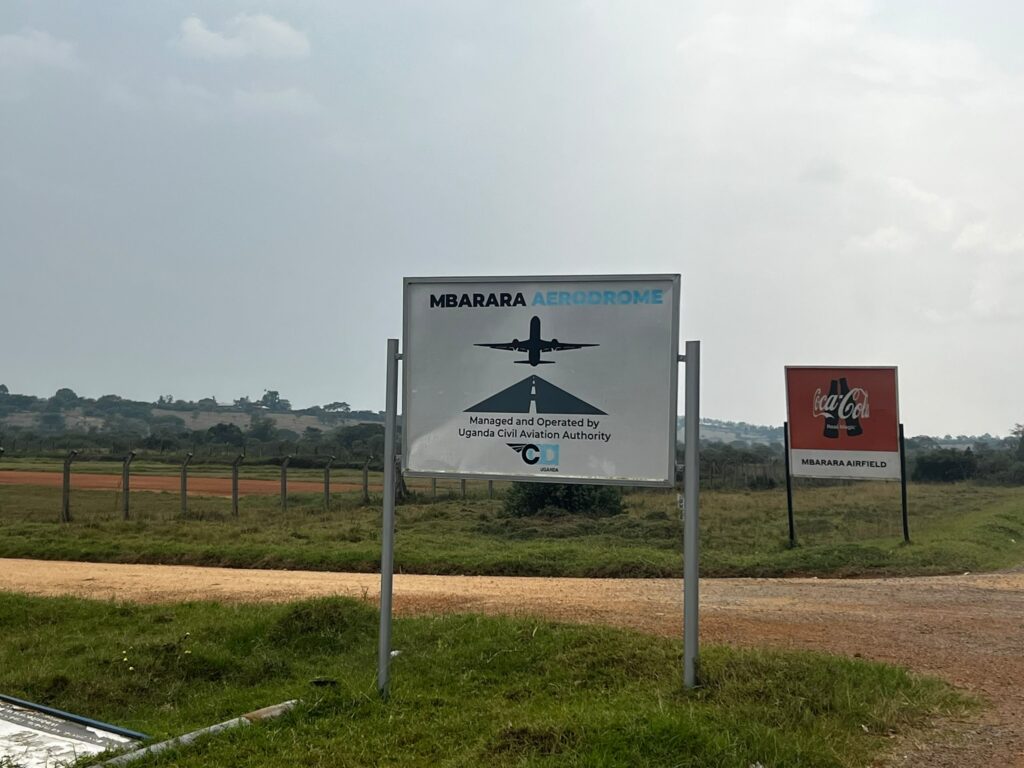
Speaking during the security engagements in both Gulu and Mbarara, UCAA’s Senior Aviation Security Inspector, Brian Akibawe, told district leaders, aerodrome operators, and security agencies that safety depends not just on fences and scanners, but on the norms, values, and attitudes of everyone working around an airport.

“Security culture is how we perceive certain things and how we behave,” he explained. “For example, when it comes to screening, some people, especially bosses, think ‘Don’t disturb me, I’m in a rush.’ They see it as a waste of time. But that attitude is wrong.”
He further added that the same attitude leads to bigger problems, such as perimeter fences being vandalised or stolen, leaving aerodromes exposed.
“People come and vandalize the chain link and poles. The place remains open. Maybe our communities need to be sensitized. They don’t understand,” he noted.
Akibawe outlined 7 key ways to strengthen security culture at aerodromes. These include being vigilant at all times and watching for and reporting suspicious activity immediately.
He also emphasized having an effective incident response system, saying “If you see an incident, don’t keep quiet and discuss it outside the airport. Report it promptly and document it.”
He added that there is need to create a positive work environment. “This is where we all earn our living. If there are issues, bring them to those in position to address them.” Training, awareness and engagement are also critical because such workshops help change mindsets and correct wrong perceptions. Staff must also know clear reporting systems – who to report security, media, or operational issues to.
On leadership, Akibawe said, “If leaders promote a security culture, the person at the operational level will comply. If leaders ask, ‘What does this help me?’, enforcement becomes difficult.”
He further stressed the need to understand threats and practice information security by sharing information only on a “need-to-know” basis. “Don’t go to a hangout in town and start discussing what happened at work.”
Akibawe stressed that airport operators must establish, implement and maintain security programs to protect civil aviation against acts of unlawful interference. “There is no room for mistakes in aviation,” he warned. “The margin of error which you think doesn’t matter can actually lead to an aircraft crash. A fatal accident.”
He urged operators to take audit findings positively instead of dismissing inspectors as “biased”. “If gaps are identified, take it positively, close them, and let things move.”
The UCAA’s Principal Public Affairs Officer, Kenneth Otim called for collaboration among all stakeholders police, airlines, airport operators instead of working in silos.
He emphasized the need to enhance security awareness, build stakeholder ownership, and support continuous improvement.
“We can never have everything perfect, but with a positive mindset of continuous improvement, we shall take our aviation industry to the levels we want it to go,” Otim concluded.
Eng. Ronny Barongo, Director of Safety, Security and Economic Regulation (DSSER) at UCAA, linked security to land use and airspace protection around aerodromes.
“While the supervision of strategic operations within the physical environment outside the airfield faces challenges such as commercial movements, tall structures, and surrounding land use activities, they fall under guidance and planning frameworks,” Barongo said.
He noted that aviation is vital to economic growth, employment, emergency services, regional connectivity, trade and tourism through movement of cargo and passengers.
“However, another objective we must serve our community is maintaining clear, safe airspace and compatible land use,” Barongo explained.
“The Uganda Civil Aviation Authority defines invisible protected airspace corridors around airports known as Obstacle Limitation Surfaces (OLS). When emerging developments such as tall structures or incompatible land uses approach these zones, the operational consequences are immediate.”
Barongo cited examples including high obstacles that shorten usable runways, unplanned industrial emissions, bright lighting schemes including floodlights and laser beams, or land uses that attract birds, all of which create severe operational hazards during takeoff and landing.
“In the worst-case scenario, this will render an aerodrome unusable, severely affecting your connectivity to national air networks,” he warned.
“We have heard several times of cases where operations have been affected by land use. For example, in Kampala, public movement issues led to facilities being closed.”
He said prevention through collaborative land risk management is the most effective strategy.
“Once we are sensitive to the surrounding environment, doing it is very positive and certainly possible, ladies and gentlemen. Prevention through collaborative land risk management is our most effective strategy.”
The engagements are part of UCAA’s nationwide push to secure upcountry aerodromes ahead of Uganda co-hosting AFCON 2027 and to target domestic aviation.