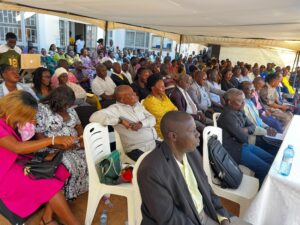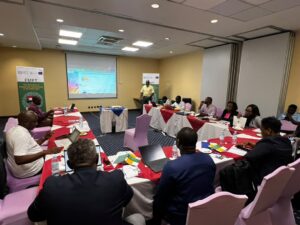
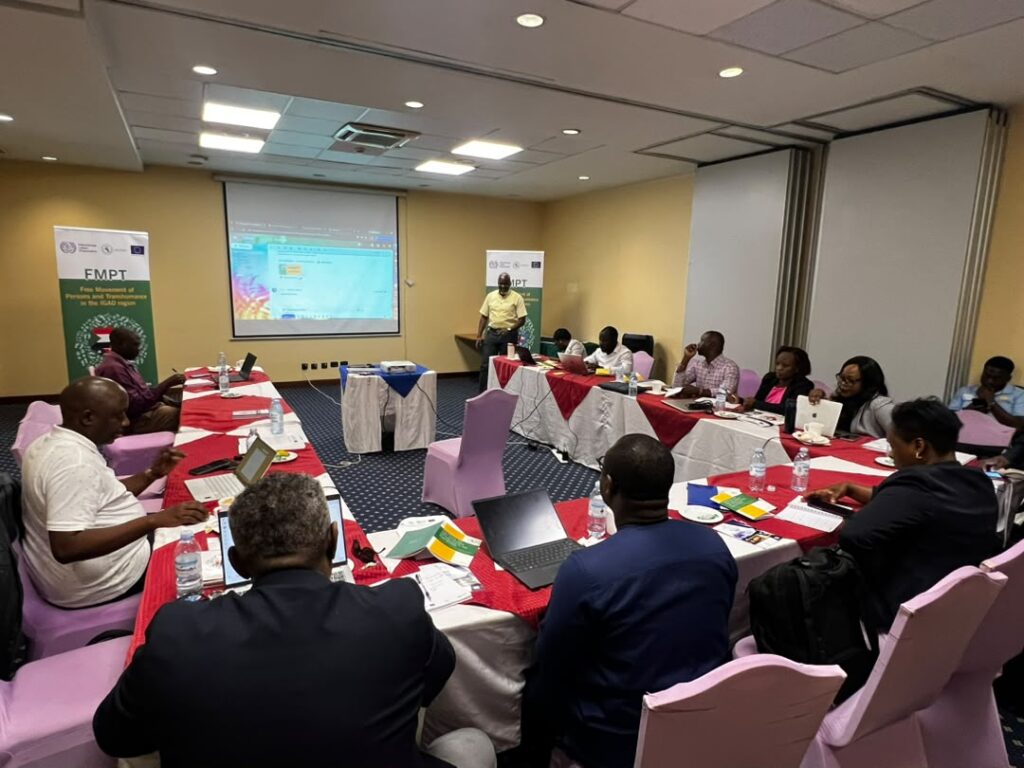
Uganda has concluded a five-day Regulatory Impact Assessment (RIA) for the IGAD Protocol on Free Movement of Persons, a key step towards its ratification and full implementation.
The protocol, which was signed by Uganda and other IGAD member states on 14th May 2024, is now undergoing national processes to prepare for ratification at Cabinet level.
The workshop was coordinated by the Ministry of Foreign Affairs, which plays the central coordination role for IGAD and all its projects in Uganda.
Speaking at the close of the workshop, Solomon Kasasira, the Desk Officer for IGAD at the Ministry of Foreign Affairs, Department of Regional Peace and Security, said the assessment brought together all key stakeholders to review the benefits, implications and reservations for Uganda.
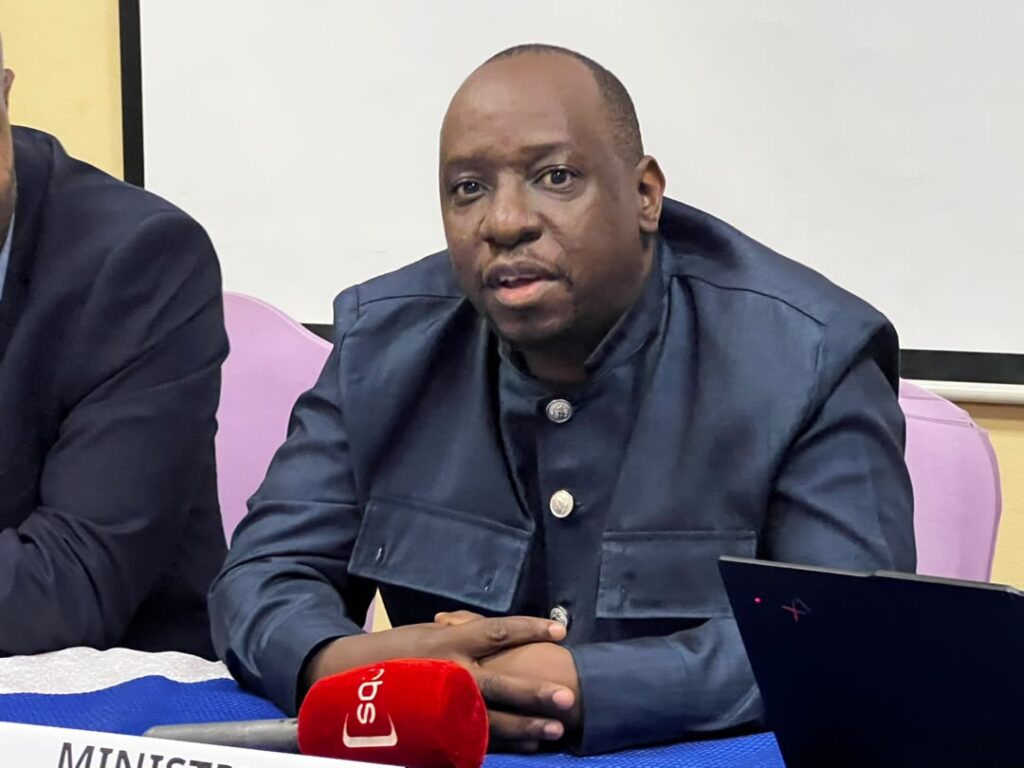
“Over the last five days, we’ve been here for a regulatory impact assessment to go through the IGAD Protocol on the Free Movement of Persons. It’s a protocol that the Government of Uganda has been following. After signing the protocol, we go through a process that includes a regulatory impact assessment to prepare for the next stage, which is the ratification,” Kasasira explained.
“This is a process that’s done at Cabinet level, so we bring all stakeholders for this process.”
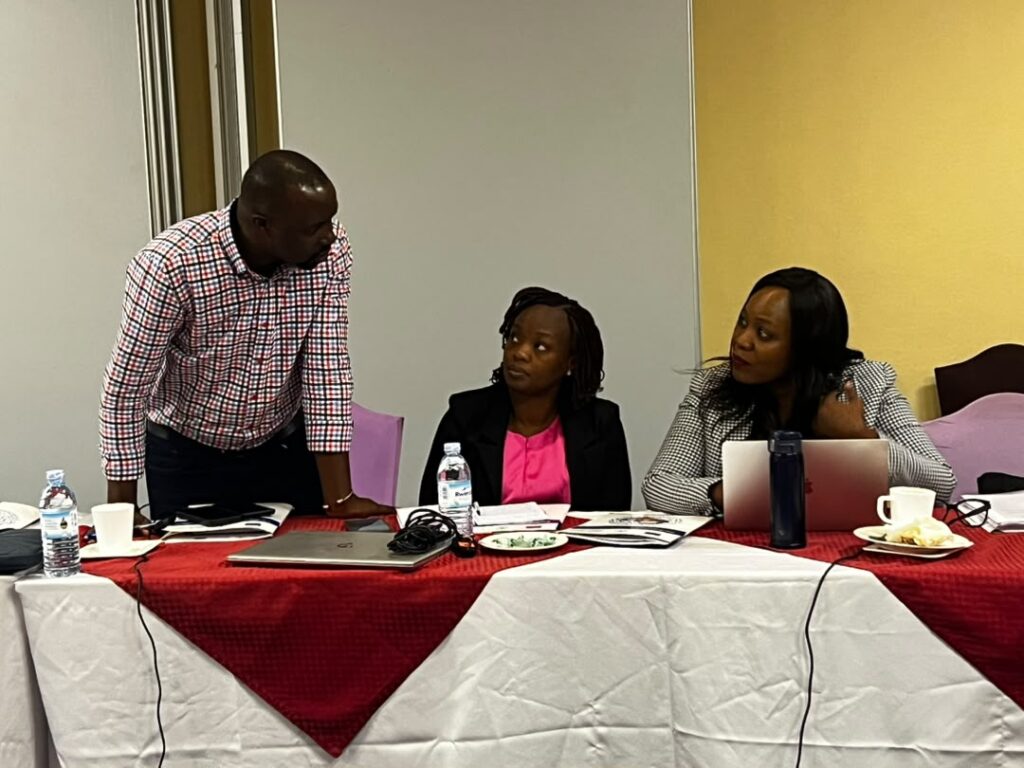
According to Kasasira, the workshop drew participants from the Ministry of Gender, Labour and Social Development, policy analysts from the Ministry of Internal Affairs – Immigration Department, the Office of the President, the Ministry of Foreign Affairs, and the Office of the Solicitor General.
“We have been going through the advantages of the protocol for Uganda. Why does Uganda have reservations and how will our people benefit? We have prepared a document that shows the benefits to Uganda,” he said.
What Uganda Stands to Gain
Kasasira said one of the biggest benefits for Uganda, as a landlocked country, is access to the Red Sea through IGAD member states.
“Among the benefits is that we have some member states that have access to the Red Sea. We’re talking about countries like Djibouti. That is also another route that can help our traders access the Ethiopian market by importing through Djibouti, because Djibouti and Eritrea which is also one of the founding members of IGAD, have access to the Red Sea route,” he noted.
He said this opens Uganda to a market of more than 60 million people when you include Sudan, Eritrea, Ethiopia and Djibouti.
“This is a market that our people can access. This is a trade route; as you know, you can’t put all your eggs in one basket. Supposing you wake up and there are issues with other trade routes. Uganda is an agricultural country. So exporting through those routes makes it easier for our traders,” Kasasira said.
He added that the protocol will facilitate lawful mobility for traders based in Ethiopia, Djibouti and those transporting goods to South Sudan, without necessarily using the longer route through Mombasa.
“Those are some of the benefits. Use of transport and access to other member states’ markets,” he said.
On the timeline for ratification, Kasasira said there is no fixed date as it is decided by Cabinet, but the process normally takes less than three months.
“There is no timeline, that is decided by the Cabinet. If there are no other issues, normally the process takes less than three months. So we hope to conclude because by the time we signed, almost all the paperwork was ready,” he said.
Kasasira emphasized Uganda’s commitment to regional integration.
“Uganda was also one of the founding members of the East African Community, and Uganda was also one of the founding members of IGAD. So whatever unites Africa, whatever moves the region forward, Uganda will always be on board,” he said.
IGAD, ILO Commend Uganda’s Progress
Speaking on behalf of IGAD, Migration Expert, Ms Agnes Igoye commended Uganda for assembling a high-level technical team and for its leadership in advancing regional integration.
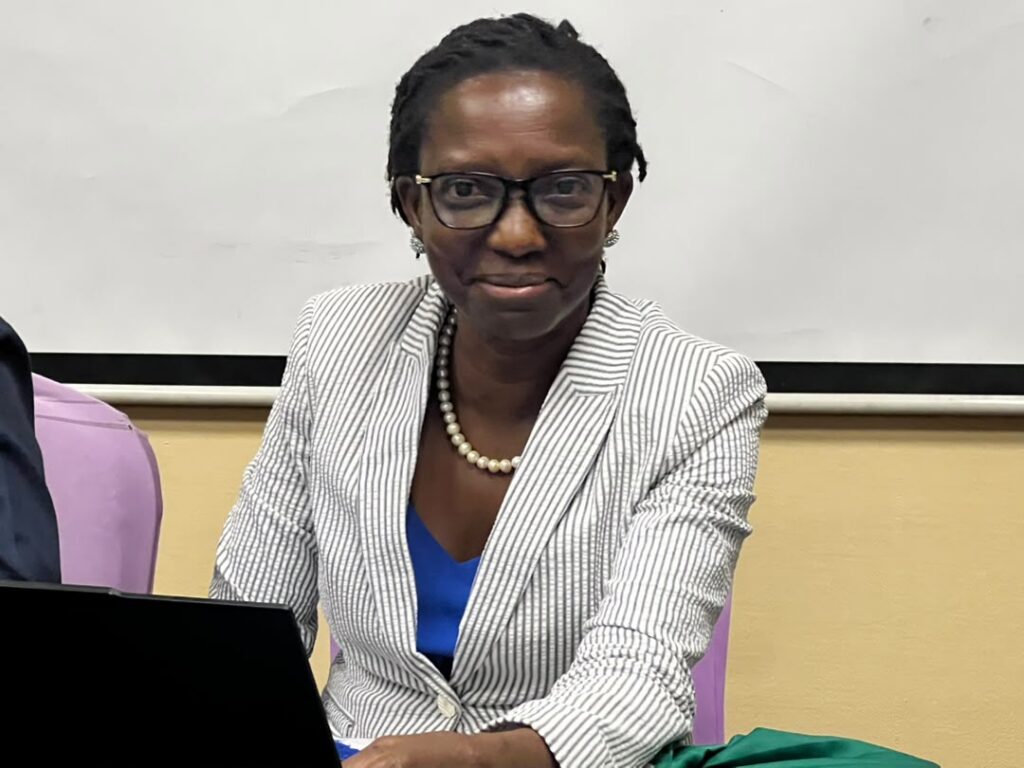
“As we conclude this important five-day technical workshop, IGAD expresses its sincere appreciation to all of you for your active participation, valuable contribution and commitment to advancing the free movement of persons in Uganda and across the region,” Igoye said.
“Over the past five days, we have undertaken an important task: reviewing and strengthening Uganda’s migration regulatory impact assessment to support the ratification of the IGAD Protocol on the Free Movement of Persons. This process goes beyond a technical exercise. It’s an important step towards ensuring that decisions on ratification are informed by credible evidence,” she noted.
Igoye extended gratitude to the Government of Uganda, the ILO and the European Union for support through the Free Movement of Persons and Transhumance in the IGAD Region Phase 2 project.
“Effective implementation of the protocol has the potential to facilitate lawful and orderly mobility, expand opportunities for trade and investment, promote decent work, strengthen labour mobility governance, and improve livelihoods across our region,” she said.
On his part, Ephrem Getnet, Chief Technical Advisor for Free Movement of Persons and Transhumance in the IGAD Region, said the workshop achieved its objectives.
“One was really to review and update the regulatory impact assessment for the ratification of the IGAD Protocol on Free Movement of Persons. To make it up to date, robust, and speak to the reality on the ground. You have done a very good job,” Getnet told delegates.
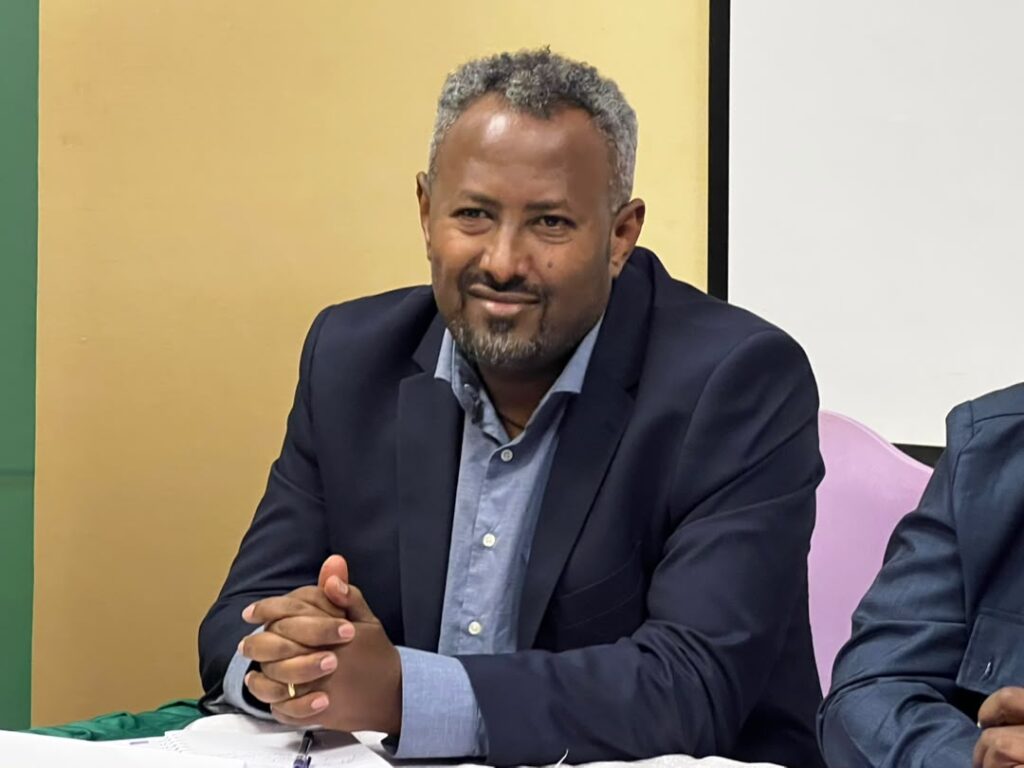
He said the team had also updated the Cabinet Memo, making it robust and high-quality, describing the development as a significant milestone towards ratification.
“We as ILO will be pleased to join you again with the IGAD Secretariat to support in that wider stakeholder consultation. But even beyond the national consultation, we remain available to provide the required support,” Getnet assured.
He however noted that ratification is not the end of the process, pledging continued support during implementation.
Kasasira closed the workshop by thanking all ministries and agencies for their participation and commitment, including Interpol, Uganda Police Force, Immigration, Ministry of Internal Affairs, Ministry of Labour and Gender, the legal department and the President’s Office.
“I want to thank the technical team that has been here and I would like to assure you that as a Ministry of Foreign Affairs, we shall continue playing our coordination role,” he said.
Once ratified and deposited, the IGAD Free Movement Protocol is expected to allow for freer movement of persons, labour, and services across the eight IGAD member states, boosting trade, investment and regional integration.