LUWEMBA
The Kampala Capital City Authority (KCCA) leaders have rejected proposals to relocate Uganda’s capital and declared “zero tolerance” for corruption, as they concluded a 3-day induction focused on unity and service delivery for Kampala’s 4 million residents.
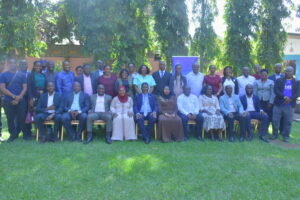
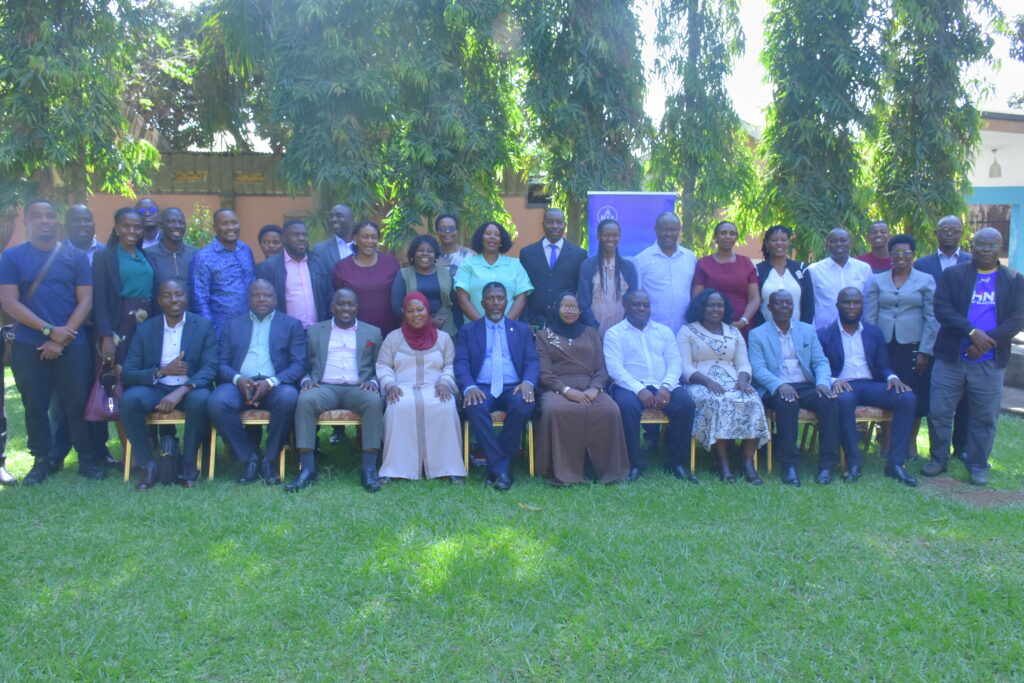
Held at Imperial Golf View Hotel from 11th to 13th August, the retreat brought together the Lord Mayor, the Speaker, the Deputy Speaker, the Executive Director, the City Executive Committee, the Standing Committee Chairpersons, and all councillors to set the agenda for the new council term.
“We are bonded as one team” – Balimwezo
KCCA Lord Mayor Ronald Balimwezo said the retreat was intentional to heal political divisions from the campaigns and build cohesion ahead of the new council term.
“One, to bond as a team. You are all aware that politics divided us so much… Here we have sat together, we have eaten together, we have debated together as the KCC family,” Balimwezo told councillors.
“Two was to focus without distraction. Three, to plan away from noise. We are planning for over 4 million people, and as such, we need a quiet place to discuss such particular issues.”
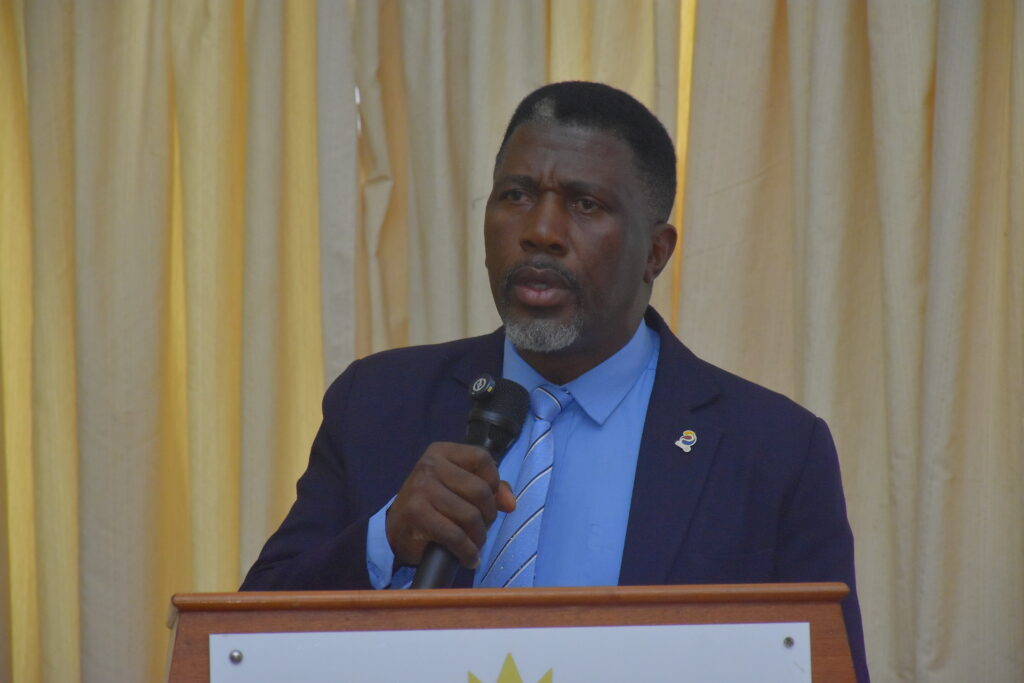
He urged councillors to serve with integrity and fight corruption.
“Let us work with integrity, with no corruption. I want to emphasise that, and let us fight corruption to zero corruption. Yes, there may be disagreements, but let them be on principle.”
Capital City Relocation Proposal Sparks Outcry
The biggest highlight of Balimwezo’s remarks was a strong pushback against media reports that the Minister of Housing had proposed moving the capital city.
“Standing in the capital is not a decision that can be announced like that. It must be debated by the people of Kampala, and not only Kampala, but the people of Uganda,” he said. “Kampala became the capital around 1890, and any changes require an amendment to the constitution, or even a referendum.”
Balimwezo argued that Kampala is “the heartbeat of Uganda, the cash cow, the economic hub” with all embassies and ministries located in the city. He warned that relocating it “will collapse businesses and displace families.”
Instead, he called for full government funding of KCCA and the creation of new cities to decongest Kampala.
“Kampala is supposed to get in the range of 2.4 trillion every year, but we only get 40% of that. How can we decongest Kampala when we only get that 40%?”
He cited daily losses of “240,000 man-hours” to traffic jams, costing an estimated “10 trillion every year,” and proposed solutions including BRT, light rail, and metro systems.
Speaker and ED Call for Learning and Action
KCCA Speaker Johnmary Ssebuufu urged councillors to study the KCCA Act, Local Government Act, and Public Finance Management Act.
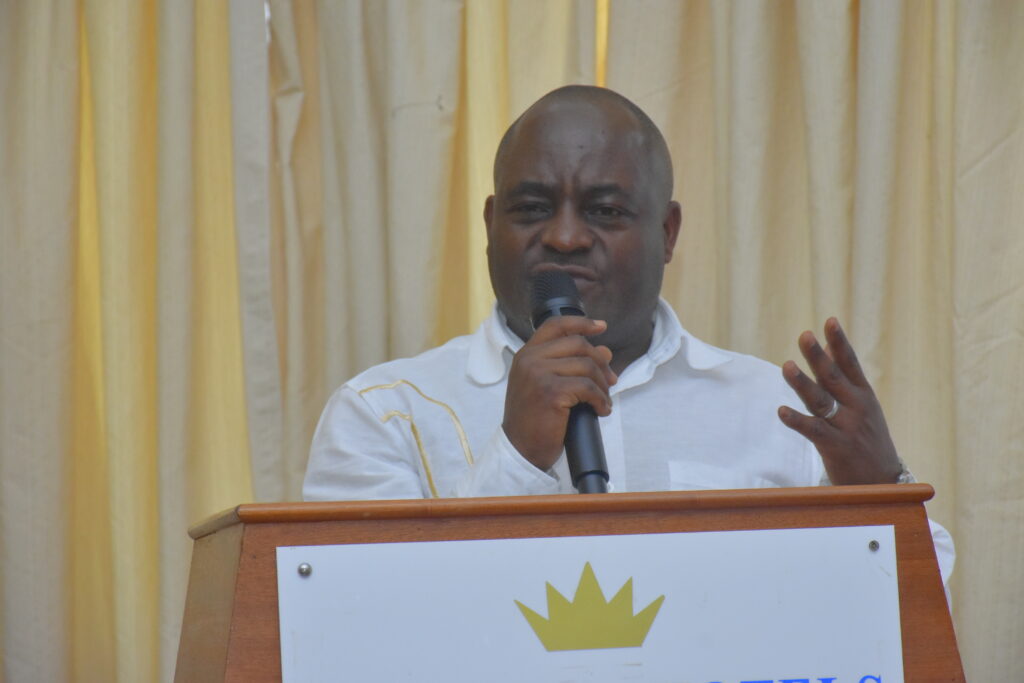
“When you bring them together, they become our Bible or our manual. Therefore, you have to be knowledgeable. It will be even harder for you to debate in council if you don’t grasp those principles.”
He revealed a council resolution demanding that central government allocate at least 3% of the national budget to Kampala, which he said would be about Shs 2.2 trillion annually. The current 5-year KCCA plan is costed at Shs 11.97 trillion.
The KCCA’s Executive Director Hajat Sharifah Buzeki said the induction was about agreeing on how to deliver services over the next five years.
“We are all here for a limited time. The voters were happy with lamentation. Governments that are getting now want solutions.”
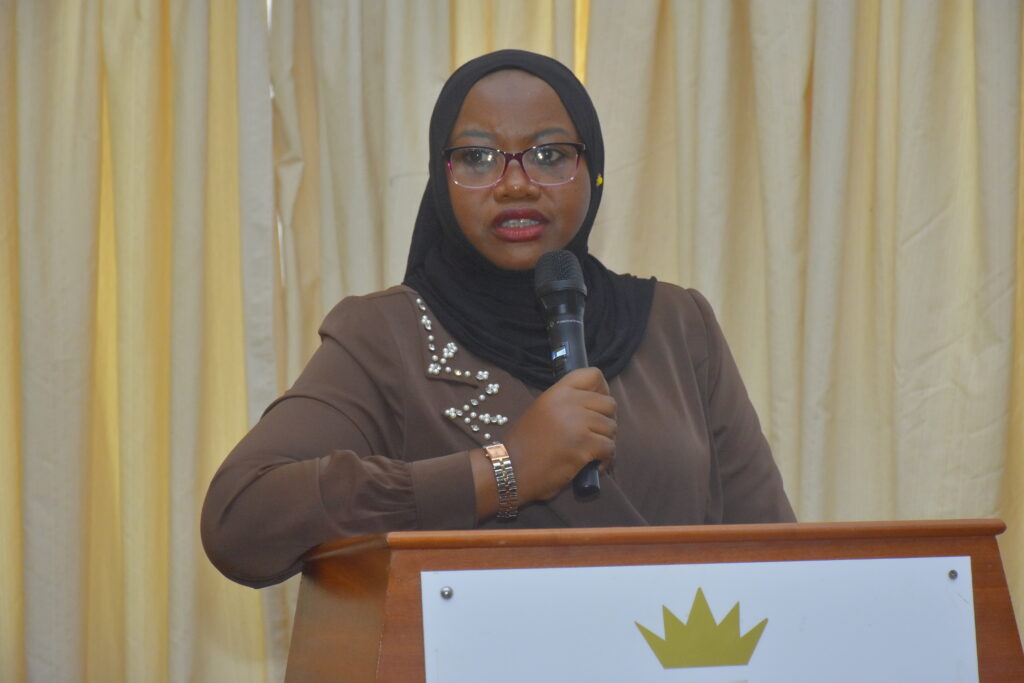
On the capital relocation reports, Buzeki said President Yoweri Museveni “clearly said he does not believe in running away from Kampala. He said, ‘Kampala is redeemable.’”
She added that the President had tasked a high-level committee to get views from ministers and make proposals within one month.
“Formal communication will be released soon,” the KCCA’s Executive Director concluded.
New Committees and Revenue Focus
Leaders also committed to operationalising street committees as reporting mechanisms and enforcing the Property Tax Law.
“It is your mandate to establish these associations within the areas of your jurisdiction,” Balimwezo said. “When the people of Mutungo pay taxes, that tax must come back to Mutungo to work on the drains, to work on the garbage… That’s the law that is going to bring the issue of value for money.”
The induction ended with calls for benchmarking trips for councillors and increased investor engagement to fund city projects.
What’s Next:
KCCA will hold a stakeholders’ engagement to discuss “the Kampala we want,” covering issues from sanitation and street lighting to transport and urban planning.