With just under two years to go before Uganda co-hosts the Africa Cup of Nations 2027 with Kenya and Tanzania, attention in Northern Uganda has turned to the skies.
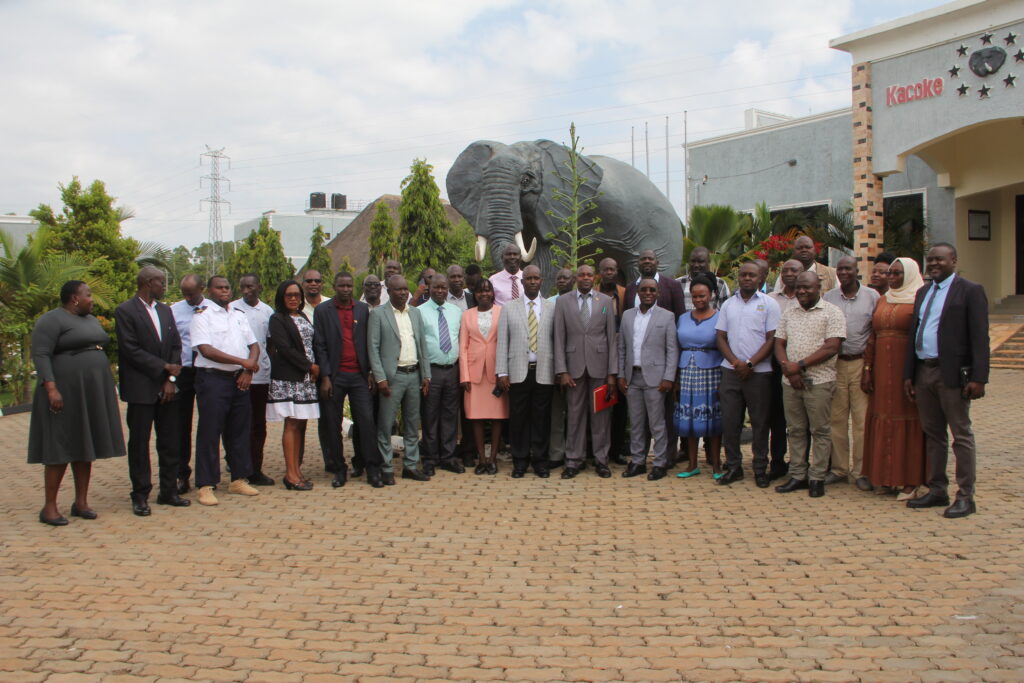
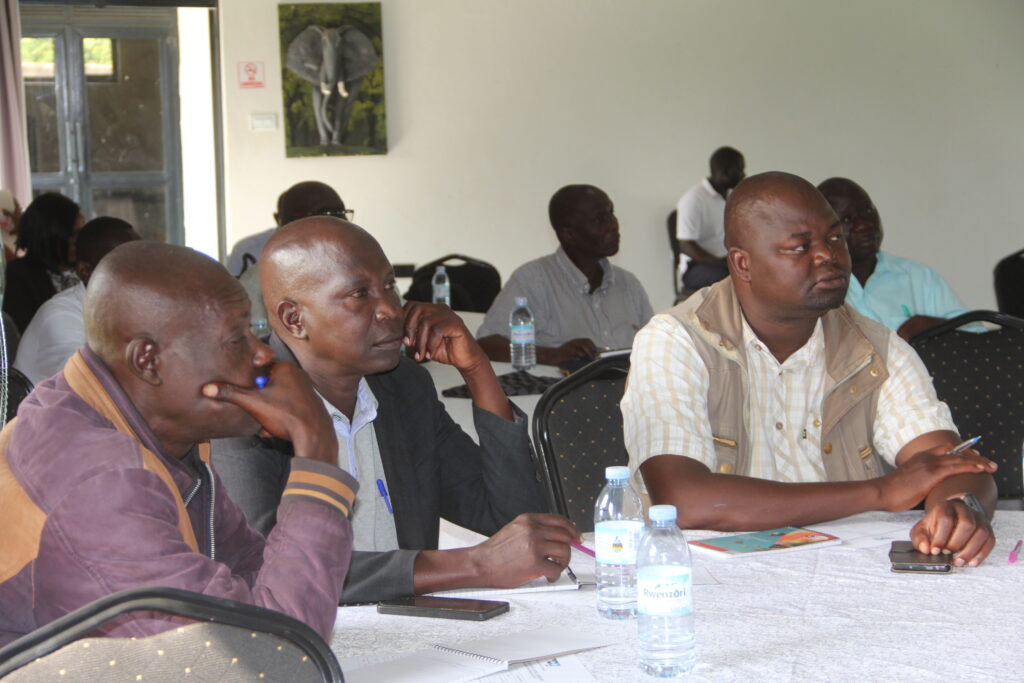
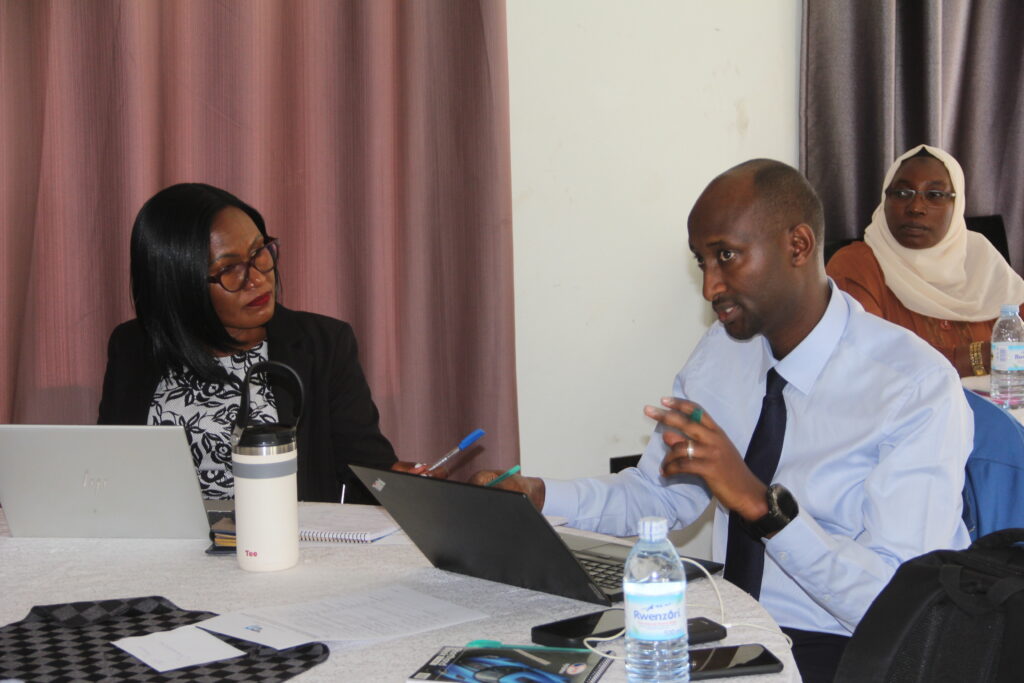
The Uganda Civil Aviation Authority (UCAA) this week brought together district leaders, security agencies, tourism partners, and local government officials in Gulu for a two-day workshop from Wednesday 29th to 30th July on land use and obstacle control around aerodromes. The message was clear: if the world is landing in Northern Uganda for AFCON, our runways must be ready.
Maliki Drakuma, Town Clerk of Bardege-Layibi Division, who represented the Gulu City Clerk, officially opened the workshop, welcoming the engagement and said it came at the right time. He noted that Gulu is growing rapidly and that air transport is the future.
“This is not just about UCAA or about AFCON,” Drakuma said. “It is about preparing the ground for our children. The world is moving to air transport. We must plan now so that Northern Uganda is not left behind.”
Drakuma also called for Gulu Airport to be given the same priority as Kabalega and Kidepo in terms of expansion, arguing that hosting AFCON matches gives Northern Uganda a chance to showcase its growth to the world.
The UCAA’s Principal Public Affairs Officer, Kenneth Otim told participants that Gulu Airport will play a central role in transporting fans, teams, and officials from Entebbe during the tournament. A journey that currently takes hours by road will be cut short by air. But that can only happen if aerodromes are protected from encroachment, tall structures, and hazards like garbage that attract birds.
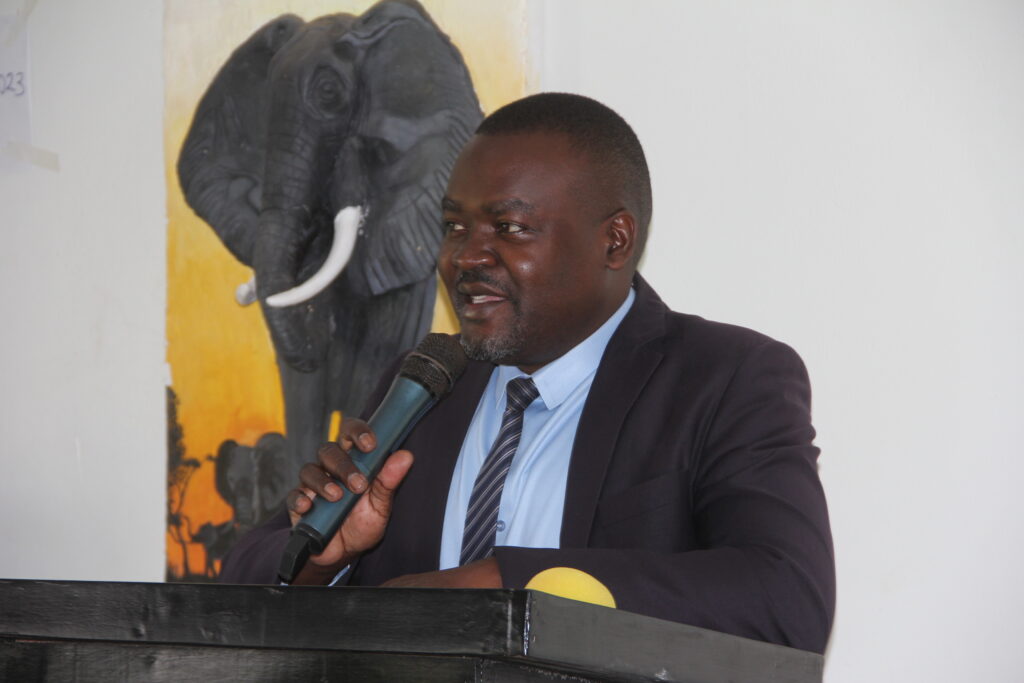
“Obstacles limit development and compromise the safety and security of our aerodromes,” Otim said. “As we prepare for AFCON, we must ensure our airports are compliant, secure, and able to handle increased traffic.”
The workshop also comes after UCAA surveillance revealed growing pressure on upcountry airstrips. Eng. Andrew Ambazimana, Principal Aerodrome Inspector, who represented the UCAA Director General, said aerodromes in Gulu, Pakuba, Bugungu, Pader, Lira and Kalongo are experiencing challenges ranging from unplanned developments to poor waste management.
He cited Lira, where the airstrip may have to be relocated because of encroachment, as an example of what happens when land use around airports is not planned.
Over the two days, participants are discussing how to strengthen collaboration between UCAA, local authorities, and aerodrome operators to enforce civil aviation regulations on land use, obstacle control, and security. The goal is to ensure that airport expansion plans are not blocked by buildings and that aircraft can operate safely.
Otim emphasised that the preparations are about more than AFCON. Uganda currently operates 13 upcountry aerodromes plus Entebbe International Airport, and the aviation map is expanding. Kabaale International Airport in Hoima is nearing completion, an investor has been secured for Kidepo International Airport, and plans are underway to upgrade Gulu to international status.
He further noted that the authority is pushing to make domestic air travel affordable so that business people and tourists can move faster across the country.
Partners including the Uganda Tourism Board, Uganda Wildlife Authority, and local authorities are expected to work with UCAA to promote domestic aviation and link it to tourism and business.
As the workshop continues, the focus remains on one thing: ensuring that when AFCON 2027 kicks off, visitors landing in Gulu will find safe, secure, and compliant aerodromes ready to welcome them.
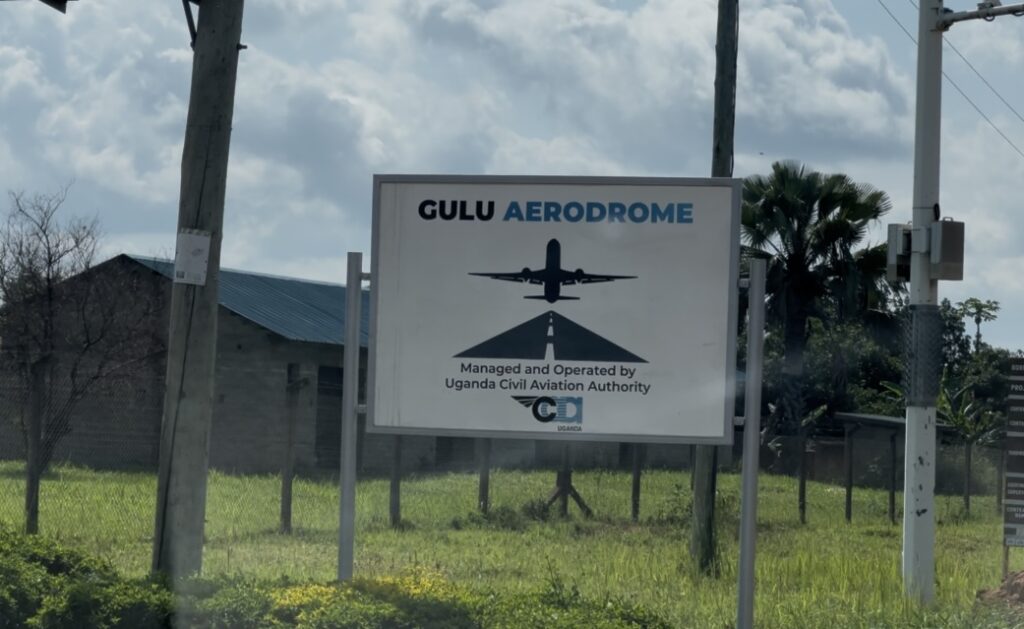
Because for Uganda, co-hosting AFCON is not just about football. It is about showing the world that we are ready on the ground and in the air.