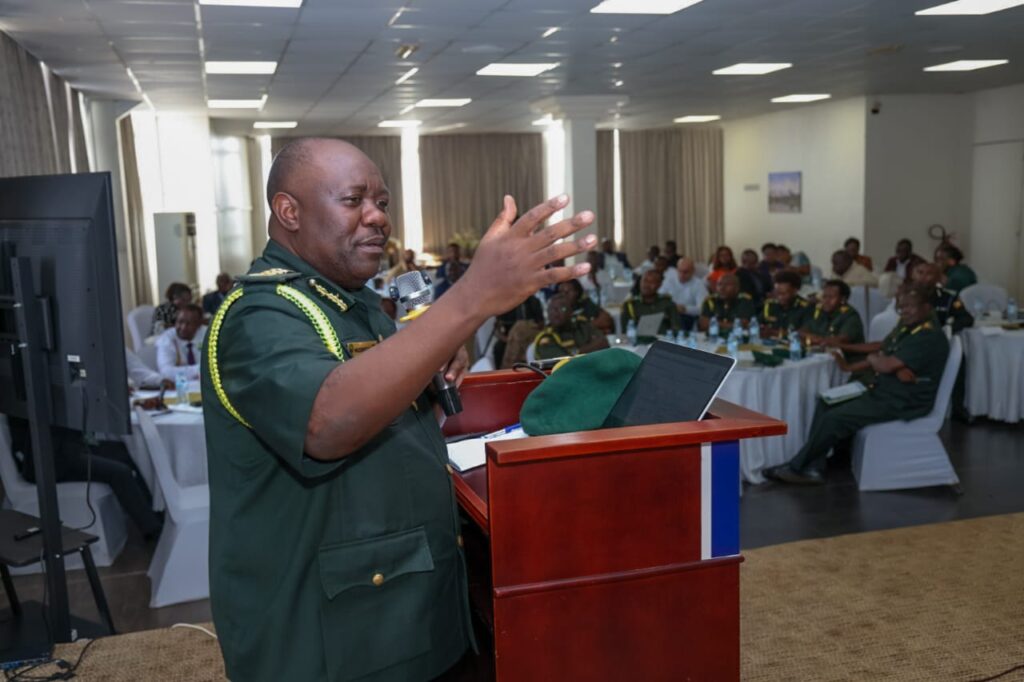
The Uganda Wildlife Authority (UWA) has reported a strong performance for the Financial Year 2024/2025, highlighting increased patrol coverage, community projects, and wildlife research, while calling for a shift from conflict to relationship with communities.
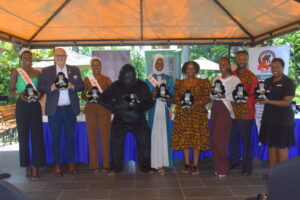
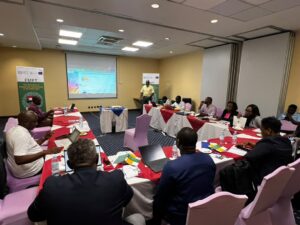
The performance was shared on Friday, 23rd October 2026, during the Annual Stakeholder Breakfast Meeting held at Skyz Hotel, Naguru.
The engagement brought together tourism players, conservation partners, government officials and private sector to reflect on achievements, challenges and priorities for the year ahead.
UWA Exceeds Patrol and Awareness Targets
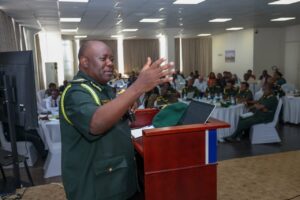
Presenting the FY 2024/25 performance, UWA Executive Director, Dr James Musinguzi, said wildlife conservation remains a shared responsibility.
“Wildlife conservation is a shared responsibility. Through strong partnerships, we can protect our wildlife, empower communities and sustainably develop tourism for the benefit of Ugandans and the global community,” he said.
Dr Musinguzi revealed that UWA undertook seven research grants and held the first-ever National Wildlife Research Conference, where the Minister launched the State of Wildlife Resources Report, a key document now guiding interventions, such as tackling invasive species in Queen Elizabeth National Park.
“Very soon we are importing the digester, which is going to help us fight the invasive species in this country so that we can be able to have animals live in the border areas,” he said.
On wildlife protection, UWA targeted 14,177 patrols but executed 25,621 patrols, including intelligence-led operations and patrols outside protected areas.
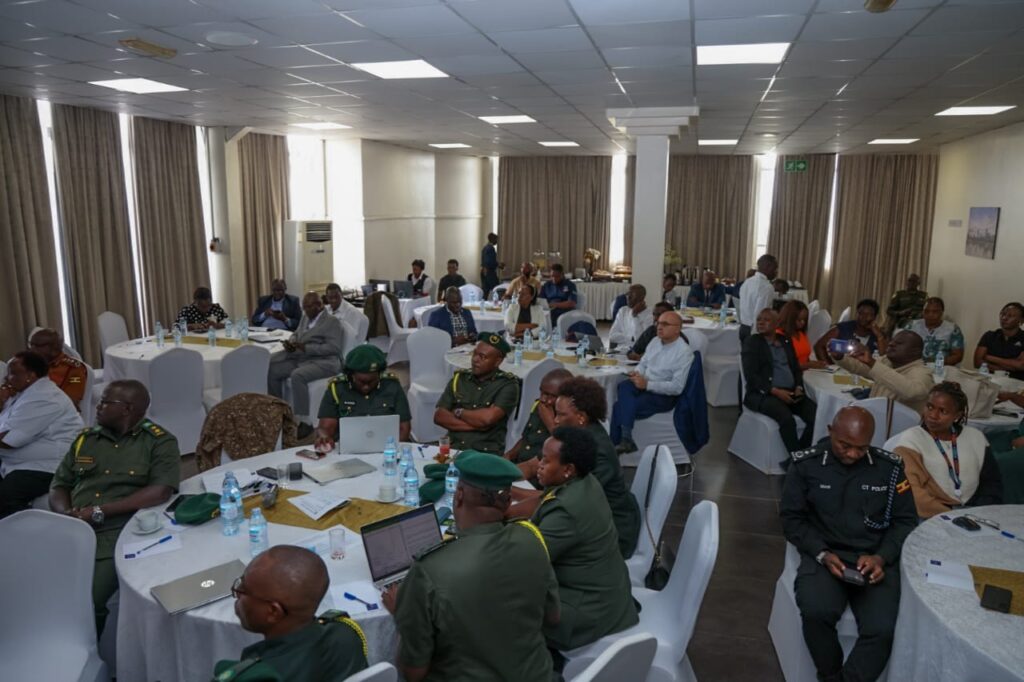
“The high patrol activity demonstrated operational scale because it was able to nip in the bud some of the wrong activities that the wrong fellows were planning,” Dr. Musinguzi noted.
On community conservation, UWA held 2,421 awareness meetings, 570 radio talk shows and reached 171 schools, representing 28% of its target, to instil positive conservation attitudes.
“We need to instil positive conservation action through this awareness so that people can know the value of conservation, but also how they can participate in conservation programs,” he said.
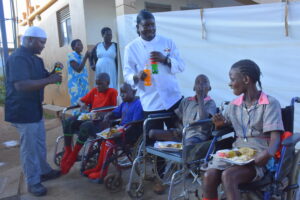
On benefits, UWA implemented 94 revenue-sharing projects from the 20% of gate entry fees returned to communities. The authority disbursed UGX 2.08 billion out of UGX 5.5 billion planned, while resources accessed by communities were valued at UGX 1.4 billion. Eleven wildlife use rights were inspected, generating USD 811,130 from sport hunting.
On human-wildlife conflict, UWA achieved 141.6km (56.6%) of new electric fence installation and 102.4% maintenance of existing fences. It also exceeded targets on supporting community wildlife scouts (125.4%) and responding to human-wildlife conflict cases (102.5%), while responding to 81.8% of crocodile cases.
Dr Musinguzi attributed the slight drop in visitor numbers towards the end of the financial year to the Ebola outbreak and negative travel advisories that affected travel confidence.
“Talk About Relationship, Not Just Conflict”
Hon. Godfrey Ssuubi Kiwanda, Chairperson of the National Consultative Forum (NCF) and Honorary Warden of UWA, called for a change in language from human-wildlife conflict to human-wildlife relationship.
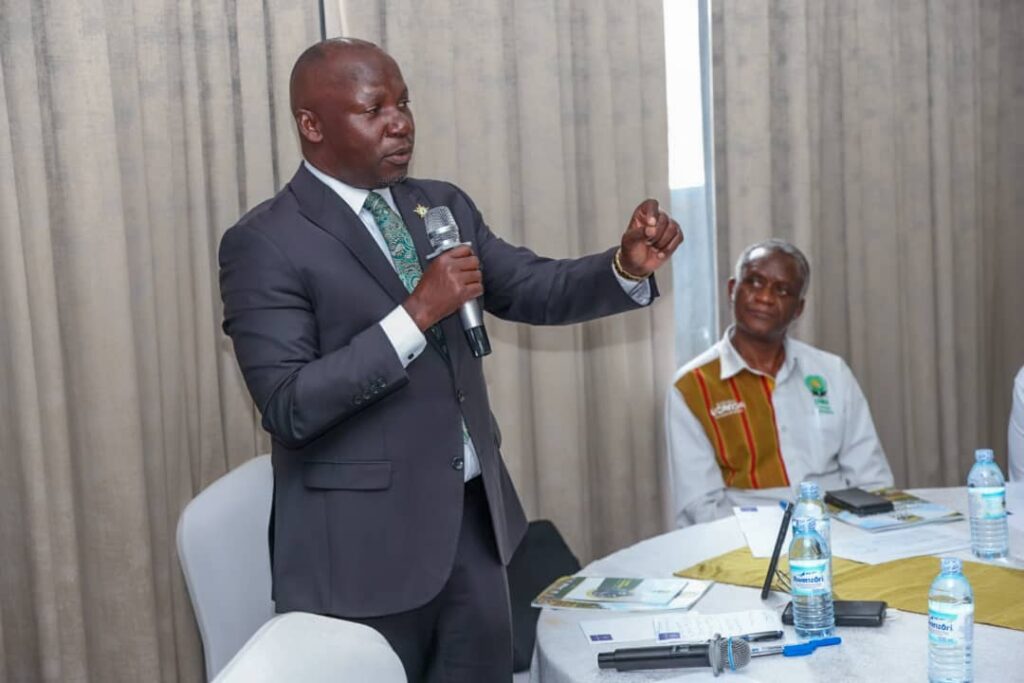
“Instead of always talking about human-wildlife conflict, perhaps we should also talk about the human-wildlife relationship. Community relations are very important in wildlife conservation,” Kiwanda said.
He congratulated UWA for earning government confidence, evidenced by increased resources and infrastructure such as new gates and lodges.
“If an officer is in charge of conflicts, he thinks about conflict. But if an officer is in charge of relationships, it’s positive. We think about how we improve our relationship with communities around us,” he argued.
He urged UWA to improve constant engagement with communities to ensure they benefit from conservation areas, and cautioned against political interference that destroys relationships when trenches and fences are being constructed.
People-Centered Conservation
Presidential Advisor on Tourism, Lilly Ajarova, emphasised that conservation must focus more on people than on guns and fences.
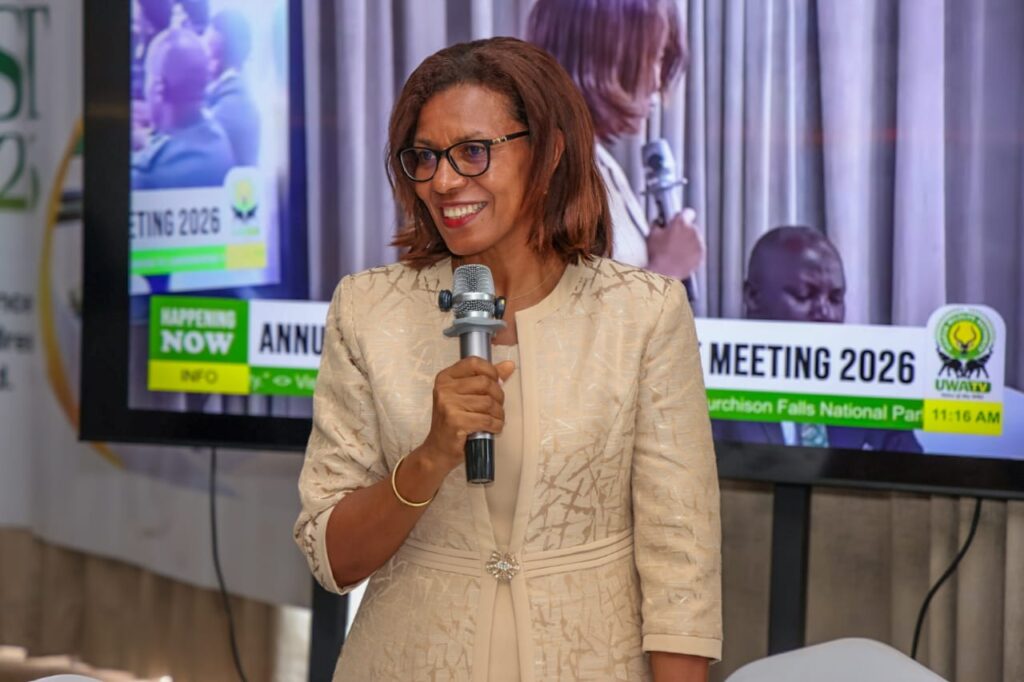
“We need to shift our focus towards the people, rather than relying on guns and fences. Community tourism around protected areas could go a long way in supporting the development of local communities,” Ajarova said.
UWA Board Chair, Prof James Kalema, stressed that UWA cannot deliver its huge mandate alone.
“We must embrace AI, strengthen staff capacity and equip our teams with modern technology, while making the public partners, not adversaries, in conservation,” Prof Kalema noted.
The stakeholder breakfast ended with a commitment to deepen partnerships, invest in technology, and prioritise community benefits as UWA shapes its priorities for FY 2025/26 in line with Vision 2040 and the NRM Manifesto.