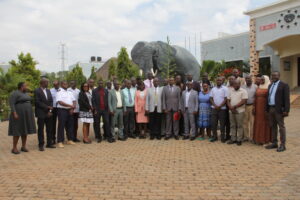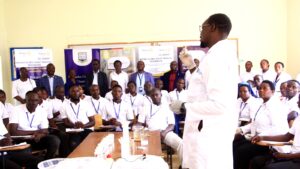
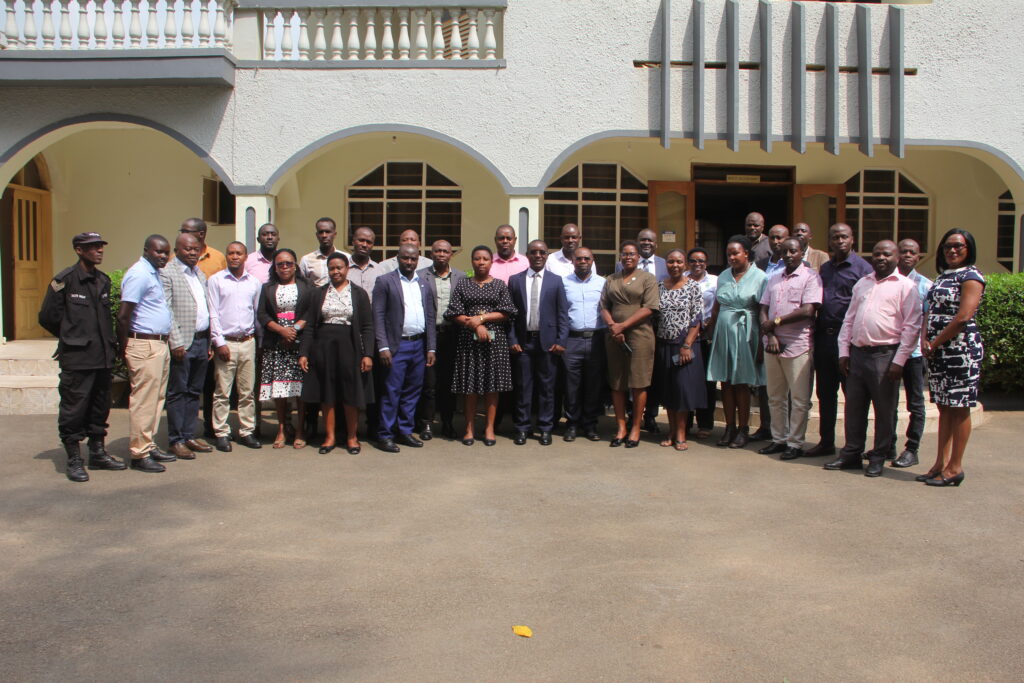
The Uganda Civil Aviation Authority (UCAA) has held a safeguarding workshop in Mbarara City aimed at protecting existing aerodromes in Western Uganda and preparing for the proposed upgrade of Nyakisharara Aerodrome into an international airport.
The workshop brought together town clerks, city planners, engineers, and stakeholders from Uganda Wildlife Authority, with participants from Kanungu, Kihihi, Kasese and Mbarara.
Kenneth Otim, Principal Public Affairs Officer at UCAA, said the engagement was about securing aerodromes for safe aircraft operations and future expansion.
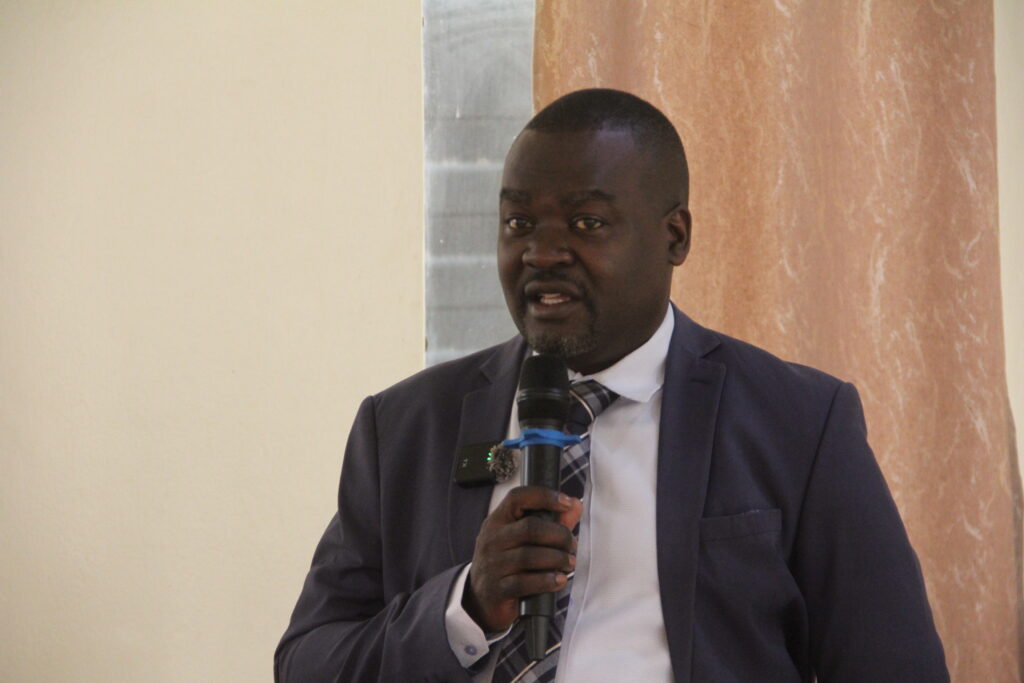
“We are talking about safeguarding aerodromes in this region of Western Uganda. We have Nyakisharara Aerodrome, Kasese Aerodrome, Kihihi, and private aerodromes in Kanungu,” Otim said.
“We are talking about land use around these aerodromes, control of obstacles to air navigation, security of the aerodromes, and also aerodrome development. If you own an aerodrome privately, or we as UCAA, what are the checklists one should consider when developing these aerodromes?”
Emmanuel Bigirwa, Senior Aerodrome Inspector at UCAA, emphasised the role of local authorities in protecting both public and private airfields within their jurisdictions.
“We are engaging you, the local authorities, to raise your awareness that yes, the airfield may be private, but it is within your mandate to protect it,” Bigirwa said.
In addition, he noted that it may not even be government. It may be privately owned, like the likes of Kakira or tea estates. “They have airfields there, but when we have, for example, an ambulance coming to pick a sick person from the community, they will still use those airfields. So we need to protect them.”
Bigirwa said the specific objective of the workshop was to review current land use practices around aerodromes and address potential safety risks.
“Every person invited here has an aerodrome within their area of authority. Even UWA has aerodromes within their area. They are also affected by other infrastructure. It can be as simple as a power line going through tea estates and affecting an airfield. It can be as simple as a telecommunication mast. But who approves the telecommunication mast? The local government,” he noted.
“We identify and address potential obstacles that can impact aviation safety and operational efficiency. We also want to develop cooperative strategies for effective land use planning and obstacle management around our aerodromes. Maintaining a clear and obstacle-free zone around aerodromes is essential for the safety of aircraft operations.”
Nyakisharara eyed for international status
Otim revealed that UCAA is reviewing a presidential directive and a proposal to develop Nyakisharara Aerodrome into an international airport capable of handling transit and cargo.
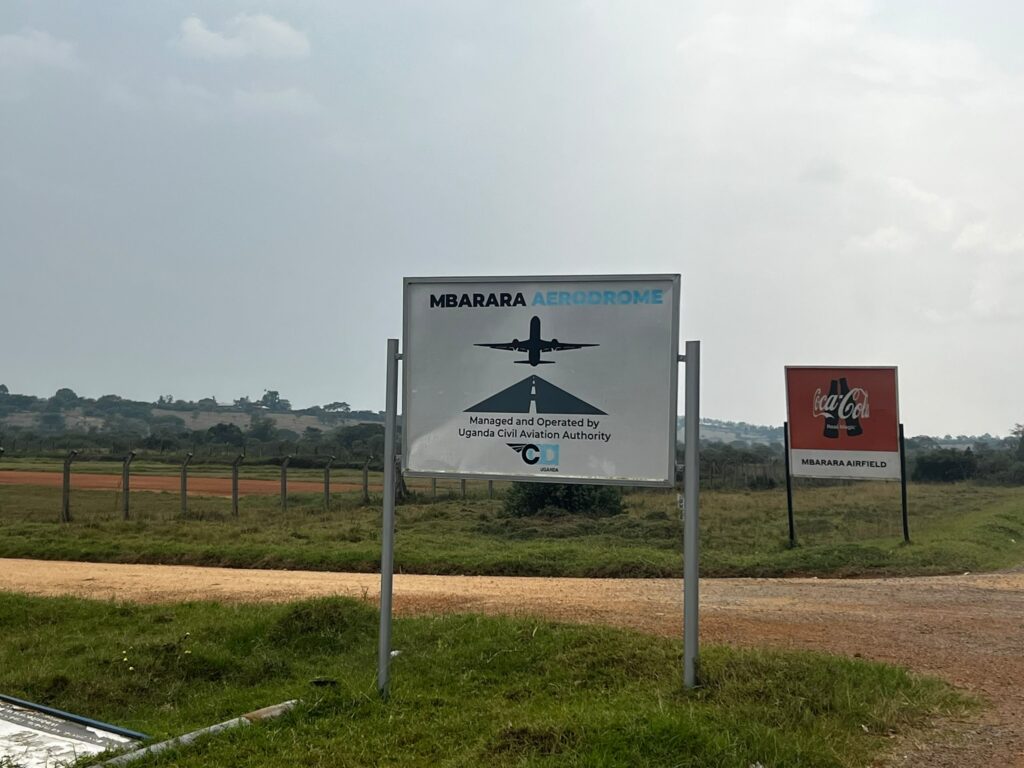
According to the proposal from potential investors, the airport would have three runways: two main runways, each 5.5 kilometres long, and a VIP runway, 3.17 kilometres long.
“The feasibility of this aerodrome is yet to be submitted to the Civil Aviation Authority for study,” Otim explained. “The developers say the aerodrome will be used as a transit airport and it will also facilitate cargo exports in the region. Talk about dairy, beef production, coffee. So it is going to boost economic trade in the region, and also the passenger side of it.”
He added that once the feasibility study is forwarded, UCAA will conduct a comprehensive analysis before giving direction.
UCAA noted that domestic passenger numbers at Nyakisharara remain low at about 4,200 people a year, roughly 35 passengers a month. Boosting domestic aviation, Otim said, is key to connecting hubs like Kampala to Mbarara faster and reducing reliance on road transport.
“To the local community, the people in Western Uganda will be very lucky to have Nyakisharara developed into an international airport because it will make transport to connect to the outside world very easy,” he said. “It will also be an opportunity to export produce like dairy products, meat, coffee and bananas to commercial hubs like Dubai, Qatar and Europe. So that will help us boost the region, not only depending on Entebbe.”
Local authorities called to protect aerodrome land
Zedekiah Kambasu Kayiri, Deputy Town Clerk of Kasese Municipality, which manages one of the country’s aerodromes, welcomed the engagement and called for regular coordination between UCAA and local governments.
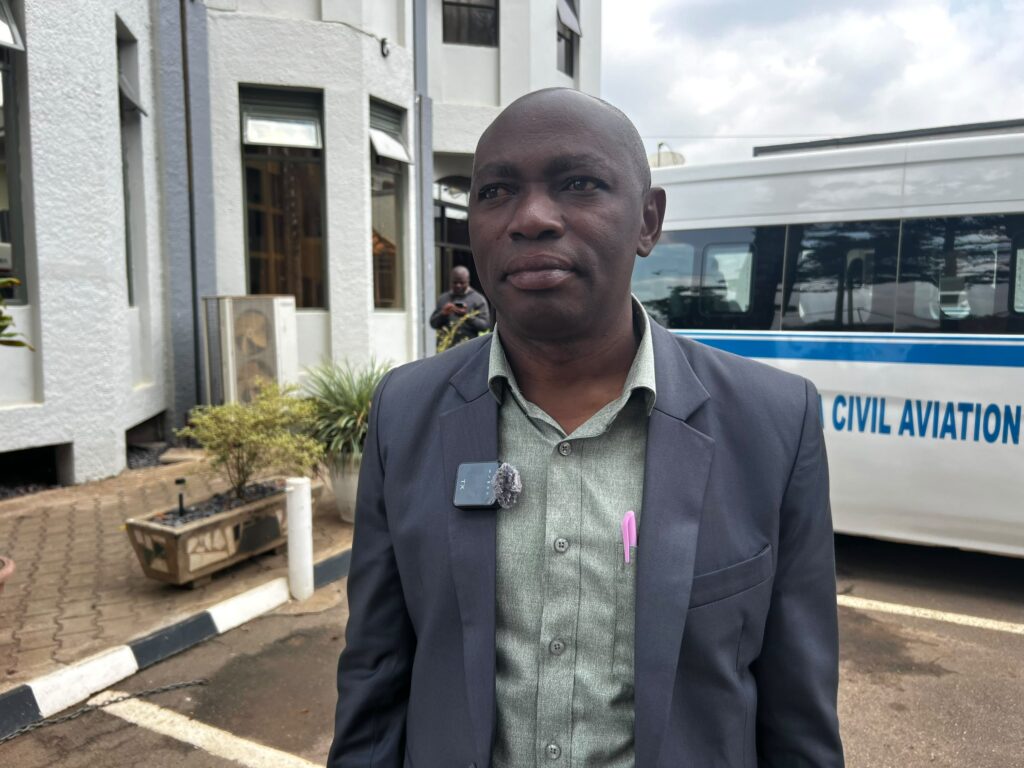
“This is one of the first engagements we have had with CAA about this,” Kayiri said. “As we approve plans as local authorities, without knowing what aerodromes want, we may end up approving plans which will conflict with the activities of aerodromes. This meeting becomes important because this message will be cascaded to other local leaders so that we can protect these aerodromes.”
He noted that in the past, local authorities have been left out of parastatal planning, leading to encroachment and land conflicts around aerodromes.
“If CAA is not there, then nobody is there. People begin processing titles for land that is not theirs,” he said. “The trend seems to be changing now. They want to bring us on board so that we do the local policing of some of these issues at the local level.”
Kayiri also urged UCAA to sensitize communities that domestic air travel is not only for tourists, but can be used for business trips between towns like Kasese and Kampala.
UCAA said it will continue consultations with potential investors for Nyakisharara and will only disclose names once feasibility studies are formally submitted and reviewed.
Nyakisharara Aerodrome (also known as Mbarara Airport) is a government-owned domestic airfield located 10 kilometres from Mbarara City along the Mbarara-Ibanda road. Administered by the Uganda Civil Aviation Authority, it currently handles small charter and private general aviation flights.