In the busy centre of Lugonjo in Entebbe Municipality, Ahmed Bawongo woke up on the election day with a sense of purpose burning in his chest. As the sitting councilor for Kiwafu Ward and the polling supervisor for Wakiso Woman Member of Parliament (MP) Betty Ethel Naluyima, he held high hopes that the 2026 general election would be fair and a true reflection of the people’s will.
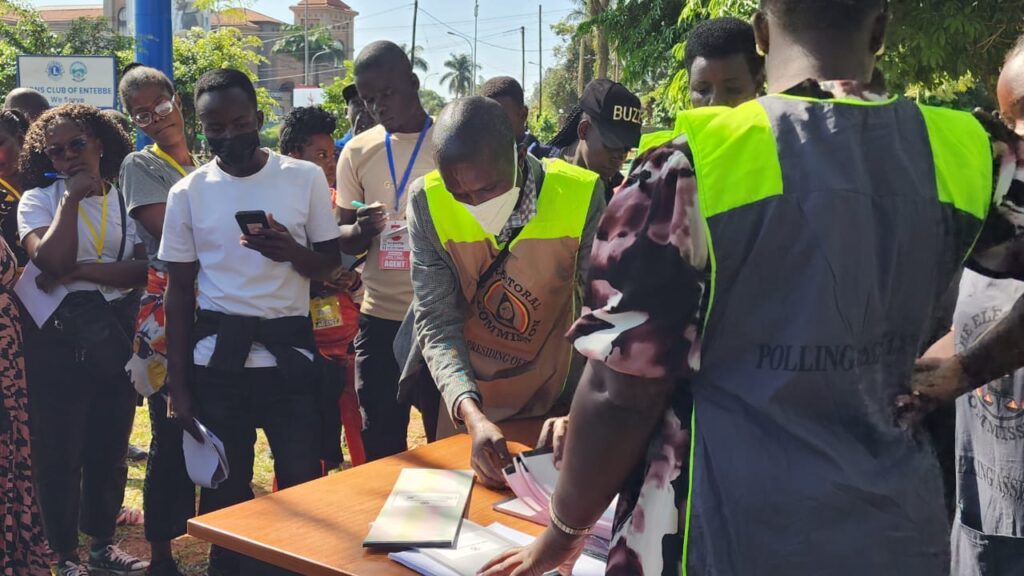
The sun hung low over the Post Office Polling Station, situated at the Children’s park, casting long shadows on the lines of eager voters clutching their identities and whispering hopes for change amid the humid air, thick with tension.
Bawonga moved through the crowd like a watchful shepherd, his eyes sharp for any irregularity. But as the morning wore on, he claims that whispers turned to murmurs, and murmurs to outrage. According to the Bawonga, there came the first group of unfamiliar faces cycling through the queue, “casting ballots not once, but twice, even thrice.”
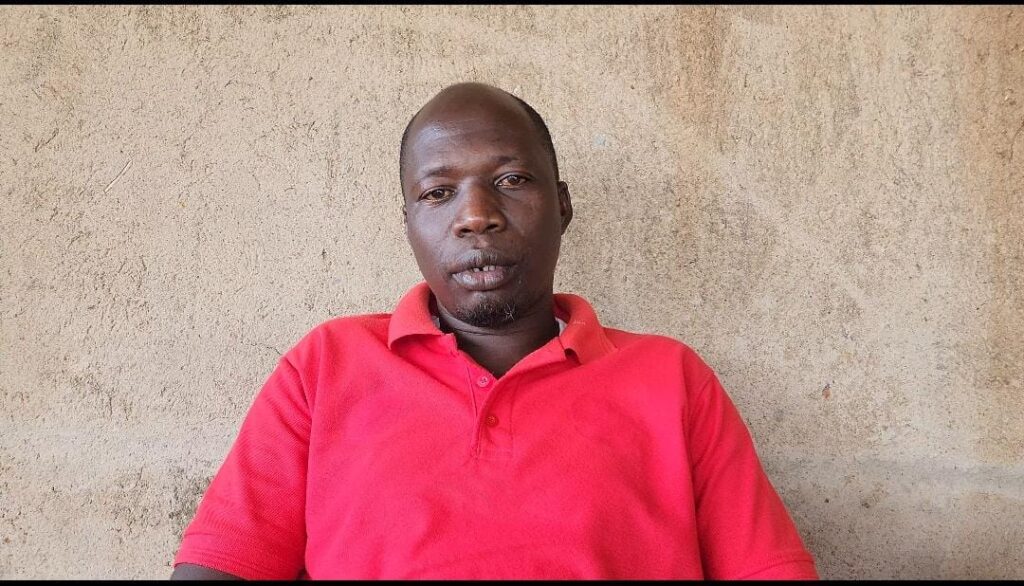
“No one stopped them. The security officers nearby, clad in stern uniforms, averted their gazes or chatted idly among themselves,” he avers.
He raised an alarm which echoed through the station, drawing heads and halting the flow. Some voters, especially those visibly in support of the opposition candidate, nodded in agreement, some cheering him on.
But the local leader claims that the response was swift and brutal. “Soldiers from the nearby army detachment descended like a storm, their boots thundering on the dusty ground. I barely had time to raise my hands before fists and batons dawned on me,” Bawonga narrated.
He further expressed that pain exploded across his back and ribs as he was being dragged away. Upon being taken to Entebbe Police Station, Bawonga claims that the beatings continued in the dim cells, where the air reeked of sweat and fear.
He was charged with the offence of inciting violence. “I was only seeking answers,” he gasped to the unyielding walls. “Let the people vote in peace, without your intimidation.”
He wasn’t alone in his suffering. In the police cells, he Bawonga claims that more than 50 inmates lay, their bodies bruised and souls seemingly broken. Among them was John Lukwago, the District Division A councilor, a man known for his fiery speeches and unyielding integrity. He had been at another station nearby, raising the alarm alongside his comrades, Joseph Mbazira and Bob Mirimu.
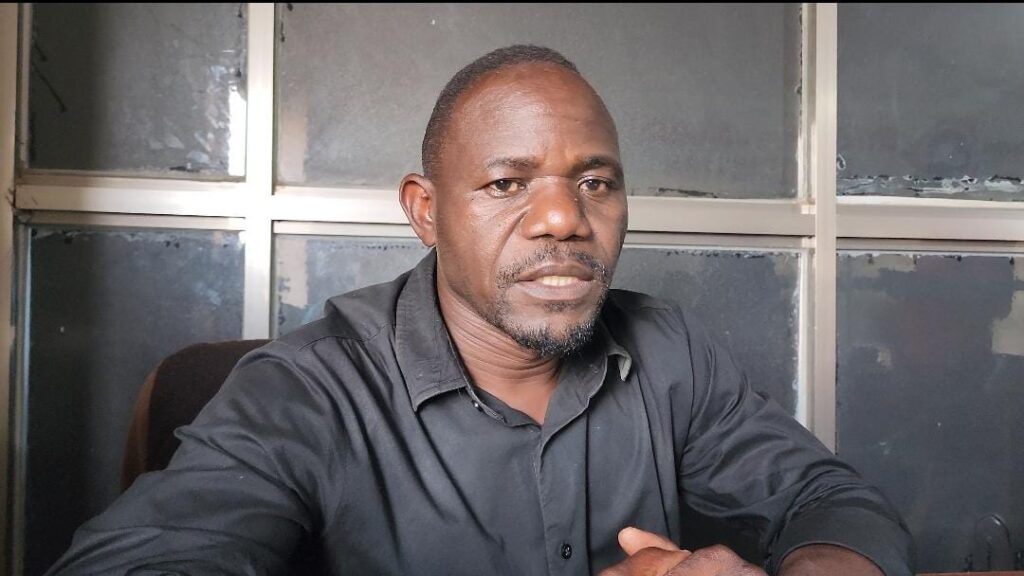
The trio was hauled in on January 15th, their charges mirroring Bawonga’s—inciting violence, a convenient label to purportedly silence dissent.
They huddled in the darkness, sharing stories of the day’s chaos, vowing that the will of their supporters and like-minds, ought to prevail. Days blurred into agony until the January 17, when their cell doors flung open. They were released into the blinding daylight, their bodies scarred but spirits unbroken.